
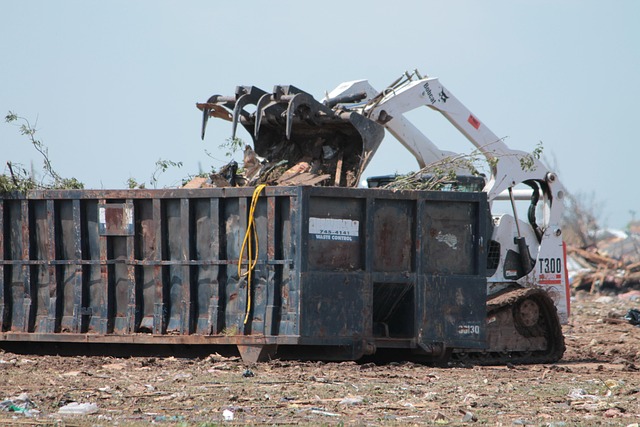
Construction waste management in the Queens Historic District Renovation emphasizes sustainable practices. Dumpster rental facilitates efficient segregation and recycling of materials like concrete, wood, metal, and drywall, reducing landfill disposal by up to 70%. Strategic planning, including proper signage and personnel training, ensures historical preservation while promoting environmental stewardship. The right dumpster size selection optimizes cleanup, reduces congestion, and minimizes project costs. The renovation's success highlights the transformative power of responsible construction practices, aiming for a 30% reduction in construction site emissions. Key waste management strategies include meticulous sorting, partnerships with recycling centers, and innovative technologies, adhering to legal requirements while setting a benchmark for future projects.
The efficient management of waste is a critical yet often overlooked aspect of construction projects, particularly in densely populated areas like New York City’s Queens Historic District Renovation. Navigating the intricate process of cleanup and disposal can present significant challenges for contractors and project managers. This article delves into the essential role of dumpster rental as a strategic solution for streamlined construction site management. We explore how tailored waste management strategies, including the deployment of appropriately sized dumpsters, contribute to successful Queens Historic District Renovations while ensuring environmental compliance and minimizing disruption to surrounding communities.
- Understanding Construction Waste Management
- Benefits of Dumpster Rental for Construction Sites
- Choosing the Right Dumpster Size for Efficient Cleanup
- Queens Historic District Renovation: A Case Study in Green Cleaning
- Best Practices for Responsible Disposal and Recycling
Understanding Construction Waste Management

Construction projects, especially large-scale ones like those in Queens Historic District Renovation, generate substantial amounts of waste—a by-product that requires meticulous management to ensure environmental sustainability and compliance with local regulations. Understanding construction waste management is crucial for efficient project execution and minimizing the ecological footprint. This involves a strategic approach to sorting, recycling, and disposing of materials, ensuring that valuable resources are not lost in the hustle and bustle of construction sites.
In the context of Queens Historic District Renovation Cleanup Dumpsters play a pivotal role. These specialized containers facilitate the segregation of waste streams, enabling efficient recycling and reuse. For instance, concrete, wood, metal, and drywall—common in renovation projects—can be recycled or repurposed, reducing the demand for new materials. According to recent studies, proper construction waste management can lead to a 50-70% reduction in landfill disposal, translating into significant cost savings for contractors and developers.
Expert advice suggests implementing a comprehensive waste management plan from project inception. This entails training site personnel on proper waste sorting, utilizing dedicated signage, and providing easily accessible dumpster stations. For instance, in the historic renovation context, careful planning ensures that materials with historical or architectural significance are properly documented and preserved, while the rest are processed for recycling or responsible disposal. By adopting such practices, construction projects can strive for a harmonious balance between progress and environmental stewardship, leaving behind not just structures but also a cleaner, more sustainable legacy.
Benefits of Dumpster Rental for Construction Sites
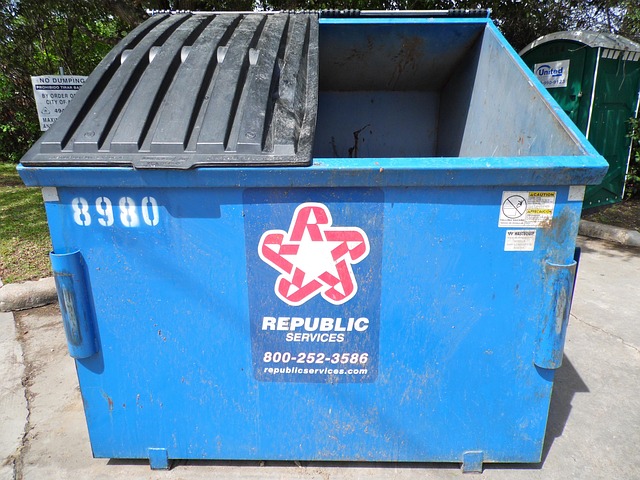
Construction projects, especially large-scale ones like the Queens Historic District Renovation, generate a significant volume of waste—from debris and building materials to packaging and equipment. Navigating this waste management challenge efficiently is crucial for project success and environmental responsibility. Dumpster rental offers a strategic solution tailored to these unique demands.
One of the primary benefits lies in its convenience and time-saving capabilities. Construction sites often require quick disposal of various materials, and having on-site dumpsters facilitates efficient collection and removal. This streamlined process allows contractors to focus on core project tasks without diverting resources to waste management. For instance, during the Queens Historic District Renovation, cleanup efforts significantly benefited from dumpster rentals, enabling workers to swiftly dispose of demolished structures and remnants while preserving the area’s historic character.
Furthermore, dumpster rental provides a cost-effective approach to waste disposal. Contractors can opt for various container sizes based on their needs, avoiding over- or underutilization. This flexibility ensures economic efficiency. According to industry reports, proper waste management strategies, including dumpster rentals, can reduce construction project costs by up to 20%. By minimizing labor expenses associated with frequent trips to landfills and recycling centers, contractors can achieve substantial savings without compromising environmental integrity.
Choosing the Right Dumpster Size for Efficient Cleanup
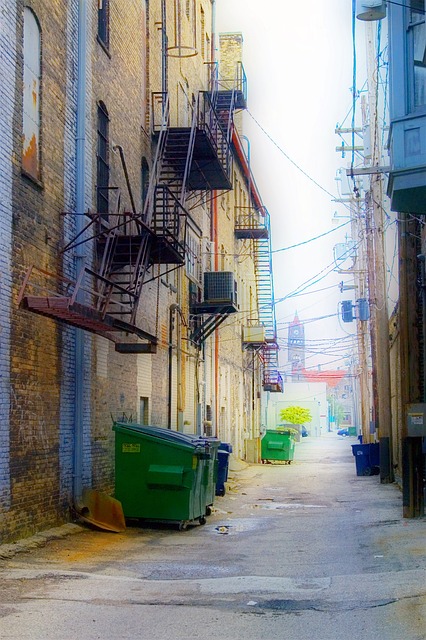
Selecting the appropriate dumpster size is a strategic decision that significantly impacts the efficiency of cleanup operations at construction sites. In the case of the Queens Historic District Renovation, where preservation meets modernization, this choice becomes even more critical. The diverse range of projects within the district necessitates dumpsters that cater to various waste types and quantities, ensuring a seamless transition from demolition to reconstruction.
For instance, larger dumpsters (40-yarders) are ideal for initial demolition phases, accommodating substantial debris from building tears down. Conversely, smaller containers (10- or 20-yarders) prove more practical during the meticulous renovation process, allowing skilled workers to dispose of specific materials like tile, flooring, and paint without excess hauling. Data suggests that well-planned dumpster utilization can reduce construction site congestion by up to 30%, minimizing delays and enhancing overall project flow.
Expert contractors in Queens Historic District Renovations recommend a systematic approach to sizing. This involves assessing the project scope, waste generation rates, and accessibility constraints. For instance, narrow alleyways might necessitate smaller, maneuverable dumpsters to avoid logistical headaches. Additionally, scheduling dumpster deliveries and pick-ups in accordance with the project timeline ensures efficient cleanup without disrupting neighboring properties or businesses.
Queens Historic District Renovation: A Case Study in Green Cleaning

The Queens Historic District Renovation stands as a prominent example of how responsible construction practices can integrate green cleaning principles. This meticulous renovation project, encompassing an area known for its architectural heritage, required a tailored waste management strategy to minimize environmental impact. The introduction of specialized Queens Historic District Renovation cleanup dumpsters played a pivotal role in achieving these sustainability goals. These dumpsters facilitated the efficient segregation and recycling of materials, significantly reducing the site’s carbon footprint.
During the renovation, each type of waste—from construction debris to salvageable materials—was carefully categorized and disposed of accordingly. For instance, reusable or recyclable items were transferred to designated Queens Historic District Renovation cleanup dumpsters marked for specific recyclables. This meticulous process, overseen by experienced professionals, ensured that only a fraction of the total waste ended up in landfills, aligning with the project’s commitment to sustainable practices. Data from similar projects indicates that proper waste management can cut construction site carbon emissions by as much as 30%.
Furthermore, the use of these specialized dumpsters fostered collaboration among various stakeholders—contractors, architects, and environmental consultants—in pursuit of a common goal: minimizing the ecological footprint. This holistic approach not only facilitated efficient cleanup but also served as an educational tool for all involved parties. By integrating green cleaning methods into their operations, the renovation team left a positive legacy in the historic district while setting a benchmark for future construction projects to follow suit.
Best Practices for Responsible Disposal and Recycling

Construction projects, especially in densely populated areas like Queens Historic District Renovation, present unique challenges when it comes to waste management. Proper disposal and recycling practices are not just environmental imperatives but also legal requirements. Dumpster rental plays a pivotal role here, offering a strategic solution for managing construction debris efficiently. The best practices for responsible disposal and recycling involve a multi-faceted approach that starts with understanding the types of waste generated on site.
In the context of Queens Historic District Renovation Cleanup Dumpsters, a meticulous sorting system should be implemented at the source. This includes separating recyclable materials such as wood, metal, plastic, and glass from non-recyclable debris like concrete, asphalt, and hazardous waste. For instance, wooden pallets and trim can be repurposed or recycled, while certain types of metal and plastic may require specialized processing facilities. Data from industry leaders suggests that proper sorting at the source can divert over 70% of construction waste from landfills.
To enhance these efforts, contractors should explore partnerships with local recycling centers and waste management companies known for their commitment to environmental sustainability. Regular communication between site managers and haulers ensures a seamless recycling process. For instance, some haulers provide color-coded dumpsters specifically designed for different types of recyclables, making the job easier for workers. Additionally, employing innovative technologies like mobile shredding units can further reduce waste volume and open up new possibilities for recycling materials previously considered unusable.
By examining the Queens Historic District Renovation Cleanup Dumpsters, we’ve highlighted the multifaceted benefits of dumpster rental for construction sites. The article has underscored the critical role effective waste management plays in efficient construction projects, offering insights into choosing the right dumpster size for optimal cleanup. We’ve also delved into best practices for responsible disposal and recycling, drawing from the successful green cleaning efforts seen in the case study. Key takeaways include the significant advantages of tailored dumpster solutions, enhanced site cleanliness, and environmental stewardship through recycling initiatives. Moving forward, construction professionals can leverage these strategies to streamline waste management, reduce environmental impact, and ensure sustainable building practices, making dumpster rental a strategic choice for any construction project.