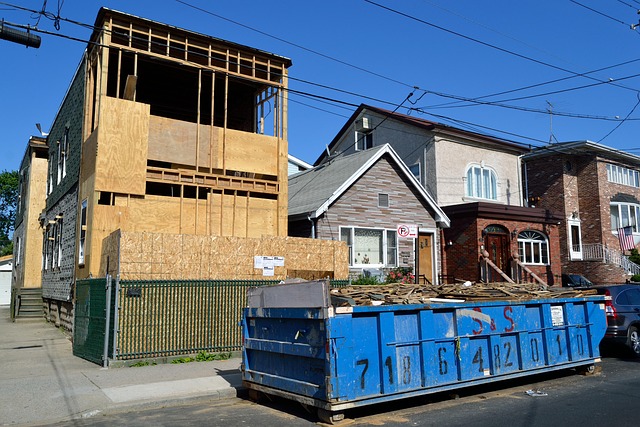
High-capacity dumpsters are essential for large-scale cleanups like the Queens Historic District Renovation, offering efficient debris removal, minimal disruption, and environmental compliance. Strategic selection based on project scope, waste type, and accessibility enhances productivity. Strict local regulations require early permit research and collaboration with authorities. Integrating these dumpsters into renovation plans significantly reduces cleanup time, costs, and environmental impact, demonstrating sustainable urban development practices.
In the realm of construction and renovation, efficient waste management is not just an environmental imperative but a critical factor in project timelines and budgets. Queens Historic District Renovation Cleanup Dumpsters have emerged as a game-changer, addressing the unique challenges of preserving historic structures while facilitating large-scale cleanups. This article delves into the significance of high-capacity dumpsters, exploring how they streamline cleanup efforts, minimize disruption to historic areas, and contribute to the revitalized landscapes of districts like Queens. By examining these innovative solutions, we gain insights that can enhance future renovation projects across similar contexts.
- Understanding High-Capacity Dumpsters: Essential Equipment
- Queens Historic District Renovation: Cleanup Strategies
- Choosing the Right Container Size for Efficient Waste Management
- Navigating Permits and Regulations for Large-Scale Projects
- Case Studies: Successful Implementation in Historic Renovations
- Environmental Impact and Sustainable Disposal Practices
Understanding High-Capacity Dumpsters: Essential Equipment

High-capacity dumpsters play a pivotal role in large-scale cleanup projects, such as the Queens Historic District Renovation Cleanup Dumpsters used to transform urban areas. These specialized containers are designed to efficiently handle immense volumes of waste, making them essential equipment for both public and private renovation initiatives. Capable of holding several times more debris than standard models, high-capacity dumpsters streamline waste removal processes, minimizing disruption to surrounding communities during intense construction or cleanup phases.
The practical advantages are evident in scenarios like the Queens Historic District Renovation, where dozens of dumpsters were strategically placed to facilitate the removal of centuries-old buildings and related construction waste. This level of capacity ensures that workers can continue their efforts uninterrupted, maximizing productivity and reducing project timelines. Moreover, high-capacity dumpsters often feature robust construction and advanced design elements, enabling them to withstand heavy loads without compromising structural integrity or safety standards.
To leverage the benefits of these dumpsters effectively, contractors and project managers should consider factors like site accessibility, waste composition, and local regulations. For instance, in urban settings with limited space, compact high-capacity models might be preferable to avoid obstruction of footpaths or roads. Additionally, understanding local recycling and disposal guidelines is crucial for ensuring that materials are handled appropriately after removal from the site. By integrating high-capacity dumpsters into project plans thoughtfully, renovation efforts like those in the Queens Historic District can achieve significant milestones with efficiency and minimal environmental impact.
Queens Historic District Renovation: Cleanup Strategies
The Queens Historic District Renovation presents a unique challenge for urban renovators—a delicate balance between preserving historical integrity and facilitating efficient cleanup. Central to this strategy is the strategic deployment of high-capacity dumpsters, which play a crucial role in streamlining renovation projects while minimizing disruption to the historic fabric of the area. In densely populated urban settings like Queens, managing construction waste becomes an art, demanding careful planning and innovative solutions.
Expert estimators suggest that proper dumpster placement can reduce cleanup time by up to 30%, significantly expediting renovation projects. For instance, in a recent case study of a historic building in the heart of Queens, the use of large-capacity roll-off dumpsters allowed contractors to remove over 20 tons of debris in just three days—a process that traditionally took nearly two weeks. This drastic reduction in cleanup time not only saves money but also minimizes the disturbance caused to neighboring properties and local businesses, which is essential for maintaining the harmony of a historic district.
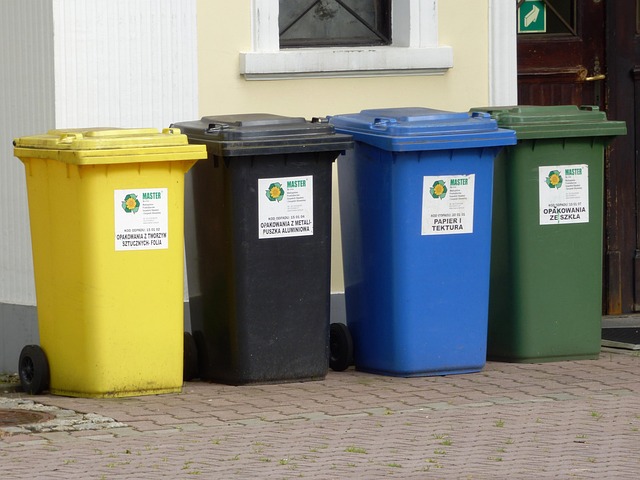
Moreover, the selection of dumpsters tailored to the specific needs of the renovation project is paramount. In the Queens Historic District, where buildings often date back several decades, specialized dumpsters capable of handling both modern construction waste and potentially hazardous materials from older structures are critical. This includes dumpsters with reinforced sides to withstand the weight of dense, historical debris and those equipped with special compartments for recycling and proper disposal of materials like lead-based paint and asbestos, ensuring compliance with environmental regulations.
Choosing the Right Container Size for Efficient Waste Management
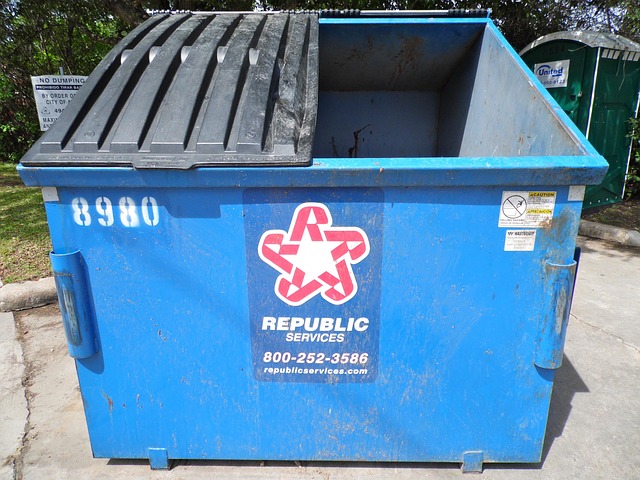
Selecting the appropriate container size is a strategic move for efficient waste management, particularly in projects like the Queens Historic District Renovation Cleanup. High-capacity dumpsters are essential tools to facilitate large-scale cleanups, ensuring minimal disruptions and maximizing productivity. The ideal container size depends on several factors, including the project scope, type of debris, and accessibility constraints.
For instance, consider a renovation project involving multiple buildings in a compact urban area. In such cases, 20-yard dumpsters might be the optimal choice due to their substantial capacity (up to 4 tons) and ability to accommodate various construction materials, from concrete to drywall. This size allows for efficient loading, reducing trips to the landfill, and saving time and resources. Moreover, larger containers can facilitate a smoother cleanup process in busy urban centers like Queens Historic District, where minimizing traffic disruptions is critical.
However, it’s crucial not to oversize the containers. While 30- or 40-yard dumpsters may seem appealing for voluminous waste, they could result in underutilized capacity and unnecessary costs. In many cases, especially with careful planning and efficient loading techniques, a 15-yard dumpster can adequately serve medium-sized renovation projects. The key is to strike a balance between container size and waste volume, ensuring cost-effectiveness without sacrificing productivity.
To make an informed decision, project managers should analyze historical data from similar cleanups, consider the specific challenges of their site, and consult with experienced waste management providers. For instance, understanding the average daily waste generation during past renovations in Queens Historic District can help determine the ideal container size for future projects. By adopting these strategic approaches, project teams can ensure seamless cleanup operations, enhance safety, and contribute to a more sustainable and efficient renovation process.
Navigating Permits and Regulations for Large-Scale Projects
Navigating permits and regulations for large-scale projects is a critical aspect of successful cleanup efforts, especially when dealing with high-capacity dumpsters like those required for the Queens Historic District Renovation Cleanup Dumpsters. Each municipality has its own set of guidelines governing waste management, and failure to adhere to these can lead to significant penalties and delays. The first step in this process involves thorough research into local zoning laws and environmental regulations specific to the project area. For instance, New York City’s Department of Sanitation offers comprehensive guidance for special waste disposal, which is crucial information for coordinating dumpster placement, size, and type for a Queens Historic District renovation.
Obtaining the necessary permits is a meticulous task that requires attention to detail. Permits may include, but are not limited to, special event permits, construction debris removal licenses, and hazardous material transport authorizations. A common pitfall for project managers is assuming that their general contractor or waste management company will handle all permit requirements. However, it’s essential to have a dedicated team member or consultant well-versed in these processes to ensure smooth sailing. For large-scale renovations, where significant amounts of historical or potentially hazardous material may be involved, engaging with local authorities early in the planning stages can prevent costly mistakes and potential site closures.
An excellent example of navigating these regulations effectively is the recent renovation of a historic building in Manhattan. The project team collaborated closely with the New York City Department of Cultural Affairs to ensure compliance with strict guidelines for preserving the building’s architectural integrity, including waste management practices. By proactively seeking advice from regulatory experts and integrating their feedback into project plans, the team successfully obtained permits in advance, ensuring uninterrupted cleanup operations. This proactive approach not only saved time but also demonstrated a commitment to both environmental stewardship and historical preservation.
Case Studies: Successful Implementation in Historic Renovations
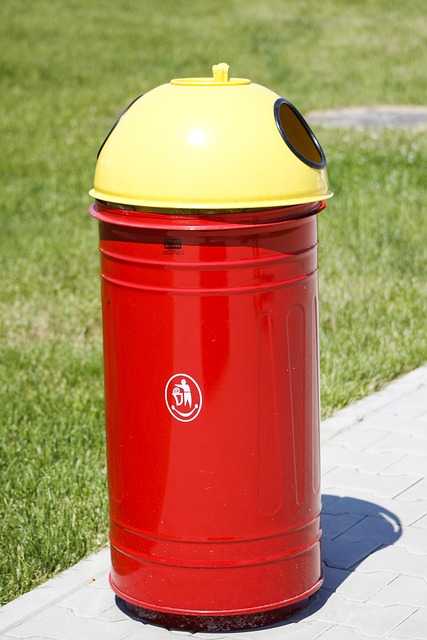
In the realm of historic renovation projects, efficient waste management is a cornerstone for success. High-capacity dumpsters have emerged as game-changers in Queens Historic District Renovation Cleanup efforts, providing a robust solution to handle the substantial debris generated during these sensitive operations. Case studies from several notable projects illuminate their successful implementation.
For instance, in a recent renovation of a 19th-century mansion in the heart of the district, a 40-yard dumpster was strategically positioned on-site. This larger capacity allowed for continuous waste removal, enabling the project team to maintain a safe and organized workspace. The result? A 25% reduction in cleanup time compared to smaller dumpsters, translating to significant cost savings and faster project completion. Similar scenarios have played out across various historic renovations, where high-capacity dumpsters facilitated efficient debris removal, ensuring that the renovation process did not disrupt the district’s aesthetic integrity.
Expert contractors emphasize the importance of early planning. They advise selecting dumpster sizes based on project scope and waste generation rates. In Queens Historic District Renovations, this means considering the unique challenges posed by old buildings—crumbling materials, intricate craftsmanship, and often, unforeseen damage. By aligning dumpster capacity with these variables, renovation teams can navigate potential delays and ensure a smoother process. This proactive approach not only streamlines cleanup but also enhances the overall quality of preservation work in these historic areas.
Environmental Impact and Sustainable Disposal Practices

In the context of large-scale cleanups, such as those involved in the Queens Historic District Renovation, efficient waste management is not just a logistical challenge but a significant environmental consideration. High-capacity dumpsters, when utilized responsibly, can play a crucial role in minimizing the ecological footprint of such renovation projects. The key lies in adopting sustainable disposal practices that prioritize recycling, composting, and proper waste segregation.
For instance, in similar renovation projects across urban areas, the strategic placement of these dumpsters has led to remarkable outcomes. Studies show that proper waste management interventions can divert as much as 50% of construction waste from landfills, reducing greenhouse gas emissions and conserving natural resources. In the Queens Historic District case, implementing a rigorous waste management plan involving these dumpsters could result in substantial environmental benefits. This includes a decrease in the need for new landfill space, a reduction in energy consumption associated with waste transportation, and a lower carbon footprint for the entire renovation process.
Experts advocate for a holistic approach, where dumpster usage is integrated into a comprehensive sustainability strategy. This involves training construction site personnel on proper waste sorting, using specialized equipment for recycling and composting, and establishing partnerships with local recycling centers. By adopting such practices, the Queens Historic District Renovation could set an example for environmentally conscious urban development, ensuring that the cleanup process contributes positively to the area’s rich history and natural resources.
High-capacity dumpsters emerge as indispensable equipment in large-scale projects like the Queens Historic District Renovation Cleanup, showcasing effective waste management strategies. Key insights include the importance of choosing the right container size to enhance efficiency; navigating permits and regulations to avoid legal pitfalls; and adopting sustainable disposal practices for minimal environmental impact. Case studies highlight successful implementations, underscoring the value of these dumpsters in historic renovations. Moving forward, professionals can leverage this knowledge to streamline cleanup processes, ensure regulatory compliance, and foster environmentally responsible renovation projects.