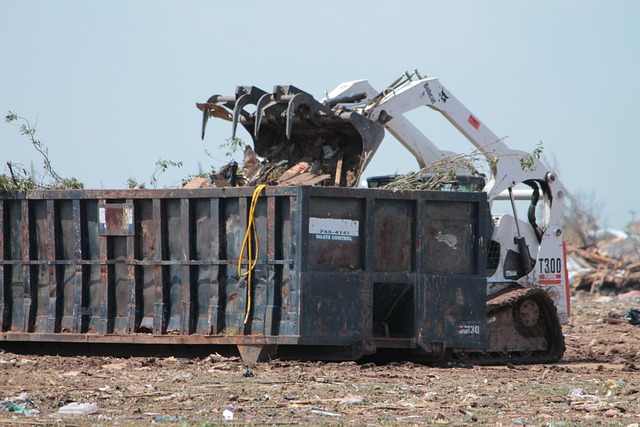
Expert restoration in historic districts like Queens focuses on historical accuracy, structural integrity, and sustainable practices. The process involves meticulous cleanup, assessment, and collaboration for tailored plans. Key techniques include material conservation, waste management using specialized dumpsters, and integrating eco-friendly materials and technologies while preserving unique character. Regular maintenance and monitoring ensure longevity, revitalizing buildings as vibrant community assets for centuries. Queens Historic District Renovation Cleanup Dumpsters exemplify successful waste management, minimizing environmental impact, and showcasing commitment to historical preservation.
In the realm of historic preservation, the meticulous art of building restoration stands as a cornerstone for preserving our cultural heritage. The Queens Historic District, rich in architectural tapestry, faces challenges that demand expert intervention. Over time, accumulations and debris hinder the district’s allure, necessitating a comprehensive cleanup.
The problem lies in the intricate nature of these structures, making conventional cleanup methods inefficient. This is where specialized expertise becomes paramount, offering tailored solutions for meticulous restoration. By implementing strategic Queens Historic District Renovation Cleanup Dumpsters, we facilitate efficient removal while preserving the integrity of these cultural treasures. Our goal is to revitalize the district, ensuring its historical essence shines through for future generations to appreciate.
- Understanding Expert Building Restoration: The Foundation
- Assessing Historic Structures in Queens District
- Cleaning and Preservation Techniques: A Deep Dive
- Navigating Dumpster Management During Renovation
- Material Conservation and Sustainable Practices
- Bringing Historic Buildings Back to Life
Understanding Expert Building Restoration: The Foundation

Expert building restoration in historic districts, such as Queens Historic District, requires a meticulous understanding of both the architectural past and current preservation standards. The foundation of this process lies in comprehensive cleanup and assessment, where every detail, from structural integrity to historical accuracy, is scrutinized. In Queens Historic District Renovation, for instance, the careful removal and disposal of construction waste using appropriate dumpsters was crucial to preserving the area’s unique character. This initial phase involves a multidisciplinary team, including architects, historians, and conservators, who collaborate to create a detailed plan aligned with local preservation regulations.
The expertise lies in navigating the complex web of historical context, regulatory requirements, and practical restoration techniques. Each building, like an individual piece of art, demands tailored interventions. For instance, in-depth research might reveal original materials and craftsmanship that must be preserved or replicated accurately. This knowledge guides the selection of appropriate restoration methods, from meticulous stonework repair to intricate woodwork renovation. It’s not merely about restoring a structure but revitalizing its historical essence while ensuring structural soundness for future generations.
Practical insights gleaned from years of experience are invaluable in this field. Experts advise against one-size-fits-all approaches. Instead, they emphasize the importance of adaptability and customization. For historic districts like Queens, where each building tells a unique story, restoration should respect the past while embracing sustainable practices for the present. This includes using modern materials that mimic historical ones and implementing energy-efficient solutions without compromising authenticity. By balancing preservation and innovation, expert building restoration ensures these treasured areas remain vibrant, honoring their rich history.
Assessing Historic Structures in Queens District

Assessing historic structures in Queens Historic District requires a meticulous approach, combining architectural expertise with a deep understanding of local historical preservation guidelines. Each building tells a unique story, demanding careful evaluation before any renovation or cleanup efforts begin. In this district, where the past and present intertwine, professionals must navigate a delicate balance between preserving original architecture and incorporating modern needs.
A comprehensive assessment starts with a detailed visual inspection, documenting every facet of the structure. This includes examining structural integrity, identifying materials used, and noting any signs of deterioration or damage. For instance, in Queens, where many buildings date back to the early 20th century, understanding the unique construction techniques and materials of that era is crucial. Experts also consider the building’s historical context, researching its past uses, occupants, and any significant events that might have left their mark.
Once the initial assessment is complete, a plan for cleanup and renovation can be drafted. This involves creating a detailed scope of work, prioritizing tasks based on urgency and impact. In many cases, Queens Historic District Renovation Cleanup Dumpsters play a vital role in managing debris generated during the process. Proper disposal and recycling methods are essential to maintain the district’s historical integrity while ensuring environmental responsibility. For example, materials like lead-based paint or asbestos might require special handling, necessitating adherence to stringent local regulations.
Cleaning and Preservation Techniques: A Deep Dive

In the realm of expert building restoration, the art of cleaning and preservation techniques is a delicate dance. For instance, consider the Queens Historic District Renovation—a project that showcased the meticulous approach required to revive and preserve architectural gems. The process began with an extensive assessment, where specialists identified areas needing cleanup and restoration, from mold removal to brick repair. This initial phase set the foundation for the entire renovation, ensuring each intervention was tailored to specific historical requirements.
Cleaning methods vary based on material and age, demanding a deep understanding of materials science. In many cases, experts employ low-impact techniques such as soft brushes and mild detergents for delicate surfaces. For instance, when restoring historic wood, professionals might use compressed air to remove dust and debris, preserving the natural texture and finish. In more extensive renovations, Queens Historic District Renovation Cleanup Dumpsters became integral, facilitating the safe disposal of hazardous materials and construction waste. This meticulous cleanup is not just about aesthetics; it’s a preservation strategy to safeguard the building’s integrity for future generations.
Preservation techniques extend beyond cleaning, delving into structural reinforcement and material conservation. Experts may use advanced sealing agents to protect against environmental damage while carefully replicating original finishes to maintain aesthetic consistency. For example, re-grouting of historical tiles or repainting with period-appropriate colors ensures the building’s story is told accurately. Data from successful restorations reveals that proper cleaning and preservation can increase a structure’s lifespan by decades, transforming it into a vibrant part of its community for centuries to come. Actionable advice for property owners includes regular maintenance checks, seeking expert consultations early, and prioritizing prevention through appropriate care and protection measures.
Navigating Dumpster Management During Renovation

In the realm of expert building restoration, particularly within the vibrant Queens Historic District Renovation Cleanup, efficient dumpster management is a crucible component that can significantly impact project success. Navigating this aspect requires meticulous planning and a deep understanding of the unique challenges inherent in historic district renovations. The primary goal is to ensure clean, organized, and compliant disposal and recycling of construction waste while minimizing disruption to surrounding areas.
For instance, in a recent Queens Historic District project, the restoration team implemented a tailored dumpster management strategy that involved placing dumpsters strategically to accommodate the compact footprint of historic buildings. This approach not only reduced visual impact but also facilitated efficient material removal. The team collaborated closely with local waste management companies to ensure proper sorting and recycling of materials, including rare architectural elements, original timber, and diverse building debris. By prioritizing responsible dumpster usage, they significantly contributed to the overall sustainability of the renovation efforts.
Practical insights from industry experts suggest that regular communication between project managers, contractors, and haulers is paramount. Establishing clear protocols for waste segregation at the source streamlines the process, reduces contamination, and optimizes recycling rates. Moreover, securing permits and adhering to local regulations, such as those governing dumpster placement and size in historic districts, are essential to avoid penalties and ensure smooth operations. Effective dumpster management not only enhances project efficiency but also resonates as a testament to the commitment of restoration experts toward preserving the unique character and heritage of districts like Queens.
Material Conservation and Sustainable Practices

In the realm of expert building restoration, material conservation and sustainable practices are paramount, especially when revitalizing historic structures within designated areas like Queens Historic District. The primary goal is to preserve the original integrity of these buildings while minimizing environmental impact. One effective strategy involves meticulously selecting and utilizing eco-friendly materials, ensuring they meet stringent historical accuracy standards. For instance, in a recent renovation project within the district, artisans handcrafted replacement windows using period-appropriate techniques and locally sourced timber, aligning with the era-specific architectural style.
Moreover, efficient waste management plays a crucial role in these projects. Implementing well-organized Queens Historic District Renovation Cleanup Dumpsters facilitates proper segregation of materials for recycling or reuse. According to industry data, proper material conservation can reduce construction waste by up to 50%. This not only minimizes the environmental footprint but also provides an opportunity to recover valuable resources, which can be repurposed in other aspects of the renovation or even in future development projects.
Practical insights from experts suggest integrating sustainable practices at every stage of restoration. This includes using low-VOC (volatile organic compound) paints and finishes to improve indoor air quality, as well as implementing energy-efficient systems like LED lighting and smart thermostats. Additionally, restoring original features such as wooden floors or brickwork not only preserves history but also reduces the need for new materials, making it a sustainable choice. By adopting these conservation methods, restoration projects in historic districts can achieve both authenticity and environmental stewardship, ensuring that these architectural treasures thrive for generations to come.
Bringing Historic Buildings Back to Life
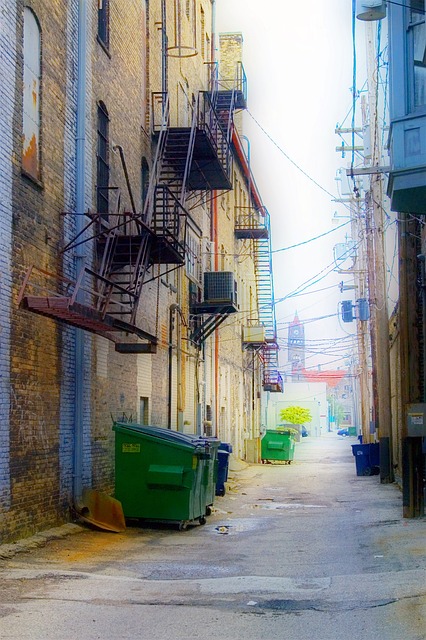
Bringing historic buildings back to life is an art and a meticulous process that requires the expertise of skilled restorers. The Queens Historic District Renovation, for instance, showcased the transformative power of careful restoration work. In this vibrant district, centuries-old structures were given new life, attracting both locals and visitors with their authentic charm. The project involved extensive cleanup efforts, meticulously removing years of accumulated debris and grime to reveal the original beauty hidden beneath. This meticulous process, often facilitated by the strategic placement of dumpsters for efficient waste management, is crucial in preserving architectural heritage.
Restoring historic buildings demands a deep understanding of the structure’s past, its original design elements, and the materials used. Experts in this field carefully study historical records, consult with architects and engineers, and employ traditional techniques combined with modern technology to ensure accuracy and structural integrity. For example, in the case of the Queens Historic District, restorers utilized advanced conservation methods to repair the intricate wooden frameworks while preserving the unique architectural characteristics of each building. This involves meticulous craftsmanship, from hand-carved details to precise measurements, ensuring that every element contributes to the overall historical authenticity.
One of the key challenges in such projects is balancing the preservation of history with modern necessities. Incorporating contemporary amenities while maintaining the original character requires creative thinking. Experts recommend a holistic approach, considering structural updates as an opportunity to enhance energy efficiency and accessibility without compromising the building’s historic value. For instance, installing modern insulation or implementing eco-friendly restoration techniques can both preserve the structure and reduce environmental impact. Regular maintenance and monitoring post-restoration are also vital to ensure longevity and identify any emerging issues promptly.
By exploring key facets of expert building restoration, from foundational understanding to sustainable practices, this article equips readers with invaluable insights for Queens Historic District renovation projects. Assessing historic structures requires meticulous attention to detail and adherence to preservation guidelines. Cleaning and preservation techniques, delved into extensively, underscore the importance of specialized methods tailored to age-old materials. Navigating dumpster management during renovation in such densely populated areas like the Queens District necessitates strategic planning to minimize disruption. Material conservation is not only an environmental imperative but also a crucial element in preserving architectural heritage. Ultimately, bringing historic buildings back to life involves a harmonious blend of respecting history and embracing modern sustainability, as exemplified through effective cleanup and dumpster management strategies in Queens Historic District renovations.