
Renovating historic districts like Queens Historic District requires balancing modern standards with past craftsmanship. This involves specific material sourcing and specialized contractors familiar with preservation regulations. Eco-friendly building materials, locally sourced where possible, minimize waste and ecological footprints, aligning with sustainable goals. Using Queens Historic District Renovation Cleanup Dumpsters facilitates this process. Energy-efficient technologies reduce a structure's energy consumption. Researching suppliers, comparing prices, and considering product lifespans are key steps for project managers. Engaging experts offers tailored insights. Selecting sustainable materials achieves aesthetic excellence and environmental stewardship.
The selection of appropriate building materials is a cornerstone of any construction or renovation project, especially in culturally significant areas like the Queens Historic District. Proper material choices not only preserve architectural integrity but also contribute to the longevity and sustainability of these historical spaces. However, navigating the complex web of options while adhering to stringent historic preservation guidelines can be a daunting task. This article provides an authoritative guide, offering practical insights into the critical process of building materials selection for the Queens Historic District Renovation, including strategies to manage cleanup and the strategic placement of Dumpsters to streamline the process.
- Understanding Historic District Renovations: Material Considerations
- Choosing Eco-Friendly Options: A Guide for Queens Cleanup Projects
Understanding Historic District Renovations: Material Considerations
Renovating historic districts presents a unique challenge: balancing respect for past craftsmanship with modern building standards and material choices. In areas like Queens Historic District, where preservation is paramount, every material decision must consider both aesthetic authenticity and structural integrity. The process demands an in-depth understanding of historical construction methods and materials, often leading to specialized sourcing and tailored solutions.
For instance, a recent renovation project in a nearby historic district revealed the need for specific types of lumber and bricks that matched the age and style of the existing structures. Traditional building practices used unique wood species and craftsmanship techniques that modern alternatives simply cannot replicate. Similarly, brick selection required careful consideration of color, texture, and even minor variations in size to ensure continuity with the original architecture.
Queens Historic District Renovation Cleanup Dumpsters often play a crucial role in managing this complex process. They provide dedicated spaces for safely disposing of removed materials and storing new, historically appropriate replacements. This meticulous approach ensures that every aspect of the renovation respects the district’s heritage. Experts recommend engaging specialized contractors familiar with historic preservation regulations to guide material selections and installation methods, ultimately preserving the unique character and value of these cherished areas.
Choosing Eco-Friendly Options: A Guide for Queens Cleanup Projects
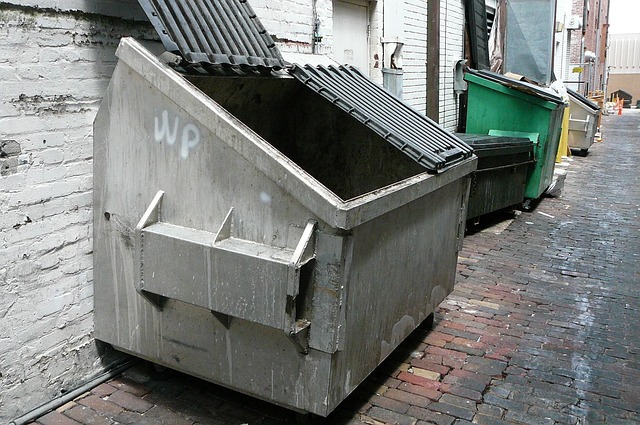
When embarking on a cleanup project within a Queens Historic District, choosing eco-friendly building materials is not just an ethical decision but a strategic one. This approach allows for both the preservation of the area’s unique character and its environmental sustainability. One key consideration is selecting materials that minimize waste and reduce the ecological footprint, especially when using Queens Historic District Renovation Cleanup Dumpsters to manage debris.
For instance, opting for locally sourced materials can significantly cut down on transportation-related emissions, a significant contributor to carbon footprints in construction. New York City’s diverse supply chain ensures access to a wide range of eco-friendly options, from reclaimed wood and recycled metal to sustainable flooring solutions. Using these materials not only reduces the project’s environmental impact but also contributes to the local economy, fostering a more sustainable community.
Additionally, incorporating energy-efficient technologies and products is vital. This includes choosing insulation with high R-values, efficient lighting systems, and appliances that meet Energy Star standards. Such measures can dramatically decrease the structure’s energy consumption, aligning with the historic district’s renovation goals while offering long-term savings for occupants. Data from the U.S. Department of Energy suggests that these upgrades can lead to energy bill reductions of 20-30%, making them a practical and environmentally conscious choice.
Practical advice for project managers includes conducting thorough research into suppliers who specialize in eco-friendly materials, comparing prices, and considering the products’ lifespans. Engaging with industry experts and local ecologists can also provide valuable insights tailored to the specific historic district requirements. By thoughtfully selecting sustainable building materials, Queens Historic District Renovation Cleanup projects can achieve both aesthetic excellence and environmental stewardship.
In navigating Queens Historic District Renovation Cleanup projects, this article has illuminated crucial aspects of building materials selection. Understanding the unique considerations for historic renovations ensures the preservation of architectural integrity while facilitating eco-friendly practices. By choosing sustainable alternatives, as guided by industry experts, residents and contractors can contribute to a greener environment. Integrating these insights into future cleanup efforts, particularly when utilizing Queens Historic District Renovation Cleanup Dumpsters, will foster both responsible waste management and the preservation of our community’s rich heritage.