
The selection of building materials for the Queens Historic District Renovation Cleanup is a complex yet critical task, balancing environmental sustainability, structural integrity, and historical preservation. Key considerations include locally sourced, eco-friendly options with low environmental impact, such as recycled steel and bamboo, to reduce transportation emissions and support regional economies. Comprehensive material specifications, proper disposal, and adherence to local regulations are vital for successful renovations while minimizing waste and ensuring compliance. Utilizing specialized dumpsters facilitates efficient debris removal and promotes recycling, reducing the project's carbon footprint. Strategic material selection, life-cycle costing, and collaboration with experts ensure cost-effectiveness without compromising heritage. Proper dumpster management is an essential component of the cleanup process, maintaining environmental integrity and neighborhood aesthetics.
Building materials selection is a cornerstone of sustainable construction, significantly impacting environmental footprint, structural integrity, and long-term costs. However, navigating the vast array of options—from traditional to eco-friendly alternatives—can be daunting, especially for projects with stringent historical preservation requirements, such as the Queens Historic District Renovation Cleanup. In this context, dumpsters specifically designed for historic renovations play a vital role by facilitating efficient cleanup while minimizing site disruption. This article delves into the critical considerations for choosing building materials, highlighting best practices and innovative solutions tailored to the unique needs of revitalizing cultural heritage sites, like the Queens Historic District Renovation Cleanup.
- Understanding the Impact of Material Choices
- Historical Context: Queens Historic District Renovations
- Sustainable Options for a Green Renovation
- Navigating Budget Constraints in Material Selection
- Functionality and Aesthetics: A Balancing Act
- Dumpster Management During Cleanup Process
Understanding the Impact of Material Choices

The selection of building materials can significantly impact a project’s success, sustainability, and long-term value. In areas like New York City’s Queens Historic District, where renovation and cleanup efforts are underway, understanding the environmental, social, and economic implications of material choices is paramount. The clean, organized space provided by Queens Historic District Renovation Cleanup Dumpsters plays a crucial role in managing these materials responsibly.
For instance, opting for locally sourced materials can reduce transportation emissions, supporting regional economies and enhancing sustainability. In contrast, globally sourced products might offer diverse design options but often come with higher carbon footprints due to long-distance shipping. A study by the U.S. Green Building Council reveals that using local materials can lower a project’s overall environmental impact by up to 40%. This is particularly significant in densely populated urban areas where real estate is at a premium, as it encourages more sustainable land use practices.
Moreover, material selection extends beyond sustainability. Consider the durability and life expectancy of chosen products. High-quality, long-lasting materials not only reduce waste but also lower maintenance costs over time. For example, selecting resilient flooring options like concrete or brick can withstand heavy foot traffic in historic districts, ensuring these structures remain intact for future generations. Additionally, incorporating environmentally friendly materials such as recycled steel or bamboo can contribute to LEED (Leadership in Energy and Environmental Design) certification, a global benchmark for green building design.
Expert advice emphasizes the importance of comprehensive material specifications and testing. Architects and contractors should collaborate with suppliers who provide detailed information on product composition, manufacturing processes, and potential health impacts. This ensures that materials meet specific project needs while adhering to local regulations, such as those governing hazardous material disposal in Queens Historic District Cleanup efforts. By making informed decisions, professionals can steer clear of costly mistakes, minimize environmental harm, and create structures that stand the test of time—a true testament to thoughtful building material selection.
Historical Context: Queens Historic District Renovations

The historical context of Queens Historic District Renovations offers a unique lens for understanding the nuanced challenges and opportunities in building materials selection. This vibrant district, with its rich architectural heritage, has undergone significant transformations over the years, reflecting evolving design trends and sustainability practices. The renovations have not only aimed to restore the area’s original charm but also to integrate modern amenities while preserving its timeless appeal.
One of the key considerations in these renovations is the responsible disposal and replacement of building materials. As the district takes on new life, it’s crucial to manage the environmental impact of construction. For instance, the use of Queens Historic District Renovation Cleanup Dumpsters has been instrumental in facilitating proper waste segregation and recycling. This practice not only minimizes the ecological footprint but also aligns with the community’s commitment to preserving their historical surroundings. The successful integration of eco-friendly materials and disposal methods ensures that the district remains a testament to both architectural brilliance and environmental stewardship.
Furthermore, the renovations have highlighted the importance of balancing aesthetics and functionality. Historical buildings in the district often require specific materials for restoration, such as original bricks or timber from sustainable sources. Experts emphasize the need for meticulous research and sourcing to ensure authenticity without compromising modern building codes. This careful selection process not only maintains the district’s character but also educates future builders on the value of preserving historical fabric. By embracing these challenges, Queens Historic District renovations serve as a model for harmonious coexistence between heritage preservation and contemporary construction practices.
Sustainable Options for a Green Renovation

In the pursuit of sustainable building practices, particularly within the context of a green renovation, selecting eco-friendly materials is paramount for projects like the Queens Historic District Renovation. This approach not only minimizes environmental impact but also contributes to energy efficiency, improved indoor air quality, and reduced waste generation. One of the initial considerations when embarking on such a project is managing cleanup and debris removal—a critical aspect that often involves utilizing dumpster services in the process, especially for larger-scale renovations.
The Queens Historic District Renovation Cleanup Dumpsters play a vital role in ensuring responsible waste management. By opting for eco-conscious disposal methods, renovators can significantly reduce their carbon footprint. For instance, recycling materials like lumber, metal, and concrete not only diverts these resources from landfills but also conserves energy compared to manufacturing new products. According to the U.S. Environmental Protection Agency, construction and demolition debris account for a substantial portion of total municipal solid waste generated annually in the United States. Proper management of this waste stream is essential for sustainable development.
Practical insights for renovators include prioritizing materials with lower environmental impacts, such as reclaimed wood, recycled steel, and locally sourced products. Additionally, utilizing temporary storage containers or dumpsters designed for eco-friendly disposal can facilitate efficient cleanup and ensure compliance with local recycling regulations. For instance, some dumpster services now offer specialized waste separation programs, making it easier to divert recyclable materials from landfills. This holistic approach not only benefits the environment but also serves as a testament to the commitment of renovators toward creating sustainable spaces within historic districts like Queens.
Navigating Budget Constraints in Material Selection

Navigating budget constraints is a critical aspect of material selection for any construction project, particularly in areas like the Queens Historic District where preserving heritage meets modern renovation needs. This challenge demands strategic planning and creative solutions to ensure projects remain financially viable while adhering to historical guidelines. One effective strategy involves prioritizing materials that offer both cost-efficiency and authenticity, ensuring the project’s long-term sustainability.
For instance, in recent renovations of historic buildings in the Queens Historic District, contractors have successfully integrated reclaimed wood and recycled metal, which are often more affordable than virgin materials while still meeting aesthetic standards. These choices not only reduce costs but also contribute to a reduced environmental footprint, aligning with modern construction trends. Moreover, utilizing local suppliers for these materials can further cut expenses by minimizing transportation costs and supporting the regional economy.
Another practical approach is to consider life-cycle costing, which involves assessing the total cost of ownership over a building’s lifespan. This perspective encourages selection of materials that may have higher upfront costs but offer better durability and long-term performance, ultimately saving money in the long run. For example, high-quality brick or stone, though pricier initially, can outlast less durable alternatives, reducing future repair and replacement expenses. Queens Historic District Cleanup Dumpsters often provide a wealth of reclaimed building materials, which, when properly sourced and integrated into projects, can be a cost-effective solution for both developers and the environment.
Expert advice emphasizes the importance of comprehensive material research, considering not just price but also availability, sustainability, and compatibility with historical standards. Developers should engage in early dialogue with architects, engineers, and contractors to establish clear material palettes, ensuring both budget feasibility and compliance with regulatory requirements. This collaborative approach allows for informed decision-making, enabling successful navigating of budget constraints without compromising the project’s integrity or historical significance.
Functionality and Aesthetics: A Balancing Act
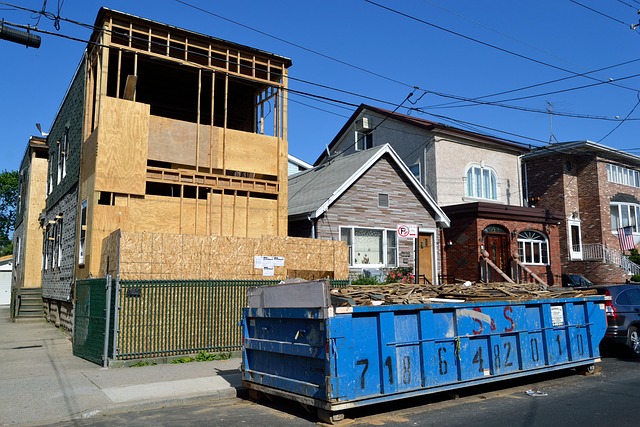
In the realm of building materials selection, the interplay between functionality and aesthetics presents a delicate balancing act for any project, especially in historically rich areas like the Queens Historic District. Here, every choice carries the weight of preserving a location’s character while catering to modern needs. The challenge lies in finding materials that seamlessly blend old and new—a task made intricate by the diverse architectural styles and local regulatory frameworks.
For instance, a renovation project within the Queens Historic District might require the strategic selection of building materials that align with the area’s distinct aesthetic. Traditional brick and stone, for example, often define the district’s charm; thus, these materials should be considered not just for their structural integrity but also for their visual appeal. Local regulations in such districts frequently dictate specific design elements, ensuring the preservation of historical character. This necessitates a meticulous approach to sourcing materials that meet both functional and aesthetic standards while adhering to regulatory requirements—a task streamlined by engaging with suppliers who understand the unique needs of historic renovation projects.
Imagine a Queens Historic District Renovation Cleanup Dumpsters scenario where the cleanup process reveals hidden gems among debris, offering insights into the area’s past. This practical experience can guide material selection for new constructions or restorations. For example, discovering remnants of period-specific hardware could inspire the use of similar fixtures in modern designs. Data from local historical societies or architectural surveys can provide valuable insights into preferred materials and styles over different eras, aiding contemporary builders in making informed choices that respect the district’s heritage.
In practice, achieving this balance requires a deep understanding of both the building’s functional requirements and its place within the broader historical context. It involves careful consideration of factors like durability, energy efficiency, cost, and availability—all while maintaining the aesthetic integrity of the structure. Engaging with architects, historians, and local authorities can facilitate informed decisions that result in vibrant, sustainable buildings that complement and enhance the unique character of historic districts.
Dumpster Management During Cleanup Process

In the meticulous process of Queens Historic District Renovation, proper dumpster management is an often overlooked yet critical component, particularly during the cleanup phase. As a key aspect of any renovation project, efficient dumpster utilization ensures that waste is properly contained, removed, and managed, preserving both environmental integrity and neighborhood aesthetics. The challenge lies in balancing the need for ample waste capacity with minimal disruption to the surrounding area—a delicate act requiring meticulous planning and timely execution.
For instance, in a recent Queens Historic District Renovation Cleanup, organizers strategically placed dumpsters along designated routes, allowing for easy access by both renovation teams and waste management personnel. This method not only streamlined the cleanup process but also minimized traffic congestion and noise pollution, essential considerations in maintaining the district’s charming ambiance. Additionally, regular emptyings of these containers, scheduled based on anticipated waste generation rates, prevented excessive accumulation and potential odor issues, enhancing overall project efficiency.
Moreover, engaging experienced dumpster management services plays a pivotal role in ensuring compliance with local regulations and environmental standards. These professionals offer expertise in waste segregation, recycling, and responsible disposal, aligning cleanup efforts with sustainable practices. By employing such services, renovation projects can avoid costly fines and reputational damage often associated with improper waste handling, especially in culturally significant areas like Queens Historic District.
Actionable advice for effective dumpster management during similar cleanups includes: 1) consult local authorities to understand specific regulations; 2) source dumpsters from reputable providers that offer flexible sizing options; 3) maintain regular communication between project managers and waste disposal teams; 4) educate renovation teams on proper waste segregation practices; and 5) document all waste management activities for transparency and accountability. Embracing these strategies ensures a seamless, responsible, and efficient cleanup process in even the most historic of renovational settings.
In the realm of building materials selection, this article has illuminated several key considerations, drawing insights from the Queens Historic District Renovation as a case study. Understanding the environmental and historical impact of material choices is paramount for sustainable and respectful renovations. The historic context highlighted the importance of preserving architectural heritage while also incorporating eco-friendly options, demonstrating that green renovation is both possible and beneficial. Budget constraints demand strategic planning, emphasizing the need to balance cost, quality, and sustainability. Moreover, the successful navigation of Queens Historic District Renovation Cleanup Dumpsters underscores the practical aspect of efficient waste management during such projects. Functionality and aesthetics remain intertwined, requiring careful design to achieve both without compromising on visual appeal or structural integrity. By synthesizing these learnings, professionals can now approach building materials selection with enhanced authority, ensuring both the preservation of history and the advancement of sustainable practices in today’s renovation landscape.