
Renovating historic buildings in the Queens Historic District requires meticulous planning, specialized knowledge, and compliance with local preservation codes. Key steps include strategic cleanup using dumpsters for responsible waste management, structural restoration, mechanical system updates, and design integration by skilled artisans and engineers. Community engagement reveals cultural significance and potential challenges. Permits from historical preservation authorities are crucial. Efficient waste management solutions, tailored dumpsters, enhance project management while preserving the district's aesthetic appeal and historical integrity. Navigating permits and regulations, particularly for Queens Historic District Renovation Cleanup Dumpsters, ensures legal compliance and minimizes disruptions. Post-renovation care maintains structural integrity and preserves the architectural heritage as valuable community assets.
In the vibrant tapestry of urban development, the meticulous art of renovation stands as a cornerstone for communities seeking to preserve their historical essence while embracing modern enhancements. Within this context, Queens Historic District Renovation Cleanup Dumpsters play a pivotal role, offering more than just a solution to debris management—they are the unsung heroes facilitating the metamorphosis of aged spaces into vibrant new destinations.
The challenge lies in balancing respectful preservation with innovative change, especially in culturally rich areas like the Queens Historic District. This article delves into the intricacies of quality renovation services, providing expert insights tailored to navigate this delicate landscape.
- Understanding Quality Renovation Services: The Foundation
- Planning Your Historic District Makeover: Strategies
- Queens Historic District Cleanup: A Step-by-Step Guide
- Choosing the Right Equipment: Dumpsters for Efficient Renovation
- Navigating Permits and Regulations: Ensuring Legal Compliance
- Post-Renovation Care: Preserving Your Historic Space
Understanding Quality Renovation Services: The Foundation

Quality renovation services form the bedrock of successful transformations in any space, especially in historic districts like Queens. Understanding what comprises a robust foundation for these services is paramount to achieving exceptional outcomes that preserve the district’s unique character while enhancing its aesthetics and functionality. A cornerstone of this understanding lies in meticulous planning and execution, incorporating specialized knowledge about the local climate, building materials, and regulatory requirements.
In the context of Queens Historic District Renovation, cleanup plays a pivotal role. Professional services employ techniques tailored to minimize disruption to historic structures while efficiently removing debris and old construction materials. For instance, dumpsters strategically placed throughout the district facilitate responsible waste management, allowing for clear site access and streamlining renovation progress. This meticulous approach not only preserves the historical integrity of the area but also ensures compliance with local preservation codes.
Beyond cleanup, a quality renovation service should offer comprehensive expertise in structural restoration, mechanical systems updating, and design integration. This holistic perspective demands skilled artisans and engineers capable of interpreting the architectural nuances of historic buildings. Consider the recent restoration of a Victorian-era home where careful replication of original details alongside modern amenities highlighted the balance between preservation and comfort. By prioritizing these foundational elements, renovation projects in districts like Queens can become truly remarkable testaments to the district’s rich history while meeting contemporary needs.
Planning Your Historic District Makeover: Strategies

Renovating a historic district requires meticulous planning to balance preservation with modern updates. In Queens, where many districts boast rich architectural heritage, a well-executed renovation can preserve local character while enhancing property values. The first step is understanding your district’s specific guidelines and historical context. Research local ordinances and consult with experts to ensure your plans align with preservation standards.
For instance, the Queens Historic District Cleanup involves meticulous removal of existing structures or materials that no longer serve a purpose, followed by careful assessment of what can be repurposed or replaced. Dumpsters play a crucial role in this process, facilitating efficient debris removal and minimizing disruption to surrounding properties. Professional contractors specializing in historic district renovations are key; they possess the expertise to navigate these intricacies, ensuring every detail respects the district’s unique character.
Another strategic element is engaging with the community. Public input is vital for understanding the district’s cultural significance and identifying potential challenges or opportunities. For example, a community meeting could highlight hidden historical gems or uncover local preferences for specific architectural styles. This collaborative approach fosters a sense of ownership among residents, ensuring the renovation respects not just the buildings but also the collective memory of the district.
Ultimately, successful planning culminates in a transformation that stands the test of time. By prioritizing preservation, community engagement, and expert guidance, Queens Historic District renovations can become iconic examples of modernizing heritage while preserving its essence.
Queens Historic District Cleanup: A Step-by-Step Guide
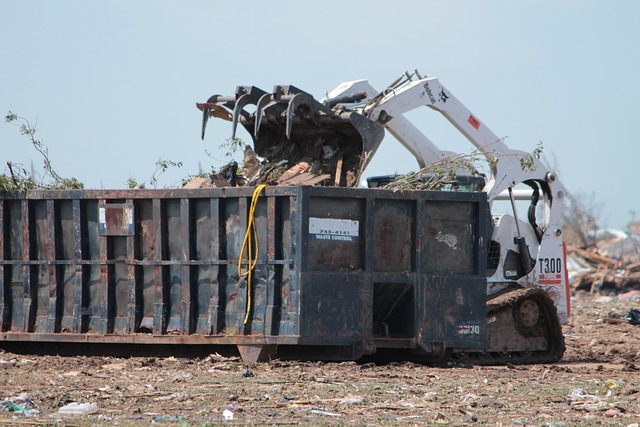
The Queens Historic District, with its rich architectural heritage, demands a specialized approach to renovation and cleanup. A comprehensive guide is essential for preserving the district’s integrity while facilitating efficient project management. This step-by-step process ensures that every aspect of the cleanup is handled with care, from initial assessment to final restoration.
Begin by conducting a thorough inspection, identifying specific challenges unique to historic structures. In Queens, this might include dealing with age-related deterioration or adhering to strict design guidelines. Next, develop a detailed plan, prioritizing tasks based on urgency and impact. For instance, addressing structural issues like sagging roofs or settling foundations should take precedence over cosmetic repairs. Once approved, obtain necessary permits, ensuring compliance with local historical preservation regulations. Engaging expert contractors specializing in historic district renovations is crucial; they can provide valuable insights into best practices and available resources.
On-site logistics are paramount. Strategically placing Queens Historic District Renovation Cleanup Dumpsters is essential for managing debris effectively without disrupting the surrounding environment. Collaborate closely with waste management companies to ensure proper disposal and recycling protocols, especially when dealing with materials like lead paint or asbestos, common in older buildings. Regular site monitoring and record-keeping are vital to track progress and address any emerging concerns promptly. This meticulous approach ensures that the cleanup process not only enhances the district’s aesthetic appeal but also preserves its historical significance for future generations.
Choosing the Right Equipment: Dumpsters for Efficient Renovation

Renovation projects, especially in densely populated areas like Queens Historic District, demand efficient waste management solutions to ensure smooth operations and minimize disruptions. One such critical component is the selection of appropriate equipment, particularly dumpsters, which play a pivotal role in streamlining the cleanup process during and after renovation work. The right dumpster choice can significantly enhance project timelines, safety, and overall success.
Queens Historic District Renovation Cleanup Dumpsters should be tailored to the unique challenges of historic renovation projects. These areas often boast architectural beauty but come with restricted access and delicate surrounding structures. Standard dumpsters might not fit through narrow streets or maneuver around historic buildings. Therefore, specialized compact or roll-off containers designed for tight spaces are ideal. Such dumpsters can be strategically positioned to facilitate efficient debris removal without causing damage or hindering the progress of skilled craftsmen.
Furthermore, considering factors like dumpster capacity, rental duration, and waste collection frequency is paramount. In areas with limited loading docks, ensuring easy access and maneuverability becomes crucial. Some providers offer unique solutions like rear-loading dumpsters or containers equipped with wheels for greater flexibility. For instance, a 10-yard roll-off dumpster might be suitable for smaller-scale renovations, while larger projects could benefit from 20-40 yard units. Data suggests that efficient waste management can reduce construction waste by up to 30%, leading to cost savings and environmental benefits. By choosing the right Queens Historic District Renovation Cleanup Dumpsters, renovation professionals can create a harmonious blend of historical preservation and modern construction methods.
Navigating Permits and Regulations: Ensuring Legal Compliance

Navigating permits and regulations is a critical aspect of quality renovation services, particularly in areas like Queens Historic District where preservation laws are stringent. Understanding local codes and obtaining necessary approvals can significantly impact project timelines and outcomes. In New York City, for instance, renovations in historic districts often require specific permits, historical reviews, and adherence to design guidelines set by the city’s Preservation Commission. Failure to comply can lead to costly delays, fines, or even project halt.
For projects involving Queens Historic District Renovation Cleanup Dumpsters, proper waste management is a key regulatory consideration. Contractors must adhere to strict rules regarding debris disposal, including separation of recyclable materials and adherence to local dumping regulations. As per NYC Department of Sanitation guidelines, construction waste generated in historic districts must be managed responsibly, often requiring specialized containers and haulers licensed for historical areas. This not only ensures environmental compliance but also maintains the aesthetic integrity of the district.
Practical insights from industry experts suggest proactive planning as a key strategy. Before starting any renovation, contractors should thoroughly research local regulations, engage with relevant city departments, and consult with architects or historians familiar with historic district requirements. Examples from successful Queens Historic District projects highlight the value of early engagement with regulatory bodies, which can streamline permit processes and prevent costly mistakes. Regular communication and documentation are essential to demonstrate compliance throughout the project lifecycle.
Moreover, staying informed about updates in permits and regulations is vital. Local laws and guidelines can change, affecting renovation plans. Contractors should maintain a subscription to relevant city newsletters or join industry associations that provide regulatory updates. By embracing these practices, quality renovation services can ensure legal compliance, minimize delays, and preserve the unique character of historic districts like Queens Historic District.
Post-Renovation Care: Preserving Your Historic Space

Renovating a historic space requires meticulous care to preserve its unique character while updating for modern needs. Post-renovation care is a critical phase that ensures these invaluable structures remain intact and vibrant for generations to come. In areas like Queens Historic District, where architectural heritage is paramount, proper cleanup and waste management are essential components of this process.
Queens Historic District Renovation Cleanup involves specialized handling of materials, especially when dealing with older buildings. Asymptomatic debris from demolition and renovation activities—from broken tiles and aged hardware to hazardous substances—must be carefully segregated and disposed of according to local regulations. Dumpsters play a pivotal role in this process, providing dedicated spaces for the accumulation of these materials until they can be appropriately recycled, reused, or safely discarded.
For example, lead-based paint, once common in older homes, requires special handling due to its potential toxicity. Similarly, historical artifacts and original building components must be meticulously documented and preserved before disposal. Skilled renovators coordinate with licensed haulers who understand the nuanced regulations around historic district cleanups. This collaborative approach ensures that the environmental impact is minimized while upholding the integrity of the neighborhood’s architectural heritage.
Effective post-renovation care extends beyond cleanup. It includes regular inspections, sealing of structural openings to prevent water damage, and the reintroduction of period-appropriate finishes where possible. By prioritizing these aspects, homeowners and contractors contribute to the longevity of historic spaces, ensuring their place as valuable assets within communities like Queens Historic District.
Quality renovation services are pivotal for revitalizing historic spaces like the Queens Historic District. By understanding the foundational principles, strategic planning, and meticulous execution outlined in this article—from cleanup guides to equipment selection, permit navigation, and post-renovation care—readers can confidently embark on their own transformation journeys. The step-by-step approach ensures legal compliance while preserving the district’s unique character. Incorporating Queens Historic District Renovation Cleanup Dumpsters into the process streamlines efficiency, making it a practical and effective game changer for any renovation endeavor.