
Renovating historic districts like Queens requires high-quality, sustainable materials for structural integrity and aesthetic appeal. Premium options such as reclaimed wood and eco-friendly composites reduce long-term costs. Local, specialized suppliers offer authentic materials while adhering to environmental standards. Queens Historic District Renovation Cleanup Dumpsters facilitate efficient waste management, diverting up to 80% for recycling or repurposing. Proper dumpster selection optimizes space and reduces cleanup times by up to 20%. High-quality construction increases property values. Expert contractors emphasize material testing and responsible sourcing practices.
The historic preservation of our urban landscapes is a delicate yet essential task, especially in areas like Queens, New York, renowned for their rich cultural tapestry. The Queens Historic District Renovation Cleanup Dumpsters initiative addresses a critical challenge—the need for meticulous material handling during renovation projects. These dumpsters are more than just containers; they are tools designed to revolutionize the way we approach urban renewal. By focusing on high-quality materials and implementing structured cleanup methods, we can ensure that the renovation process respects and preserves the unique character of our historic districts. This article delves into the intricacies of this solution, offering a comprehensive guide for professionals dedicated to the art of preservation.
- Understanding the Importance of High-Quality Materials
- Sourcing Sustainable Options for Historic Renovations
- The Role of Queens Historic District Renovation Cleanup
- Choosing Dumpsters: Efficient Waste Management Solutions
- Ensuring Longevity: Quality Materials in Practice
Understanding the Importance of High-Quality Materials

In the realm of construction and renovation, particularly in historic districts like Queens, understanding the importance of high-quality materials is paramount. The choice of materials not only influences the aesthetic appeal but also determines the longevity and structural integrity of a project. High-quality materials are essential for preserving the unique character of historic buildings while ensuring they meet modern safety and sustainability standards. For instance, in the Queens Historic District Renovation Cleanup Dumpsters play a significant role by facilitating the responsible disposal and recycling of materials extracted during renovation processes.
One cannot overstate the impact of material quality on project outcomes. Lower-grade materials may appear cost-effective initially but often lead to premature deterioration, requiring costly repairs or replacements within a short span. Conversely, premium materials, such as reclaimed woods, repurposed metals, and eco-friendly composites, offer superior durability, reducing maintenance needs and contributing to long-term cost savings. In historic districts, where structures are treasured for their architectural and cultural significance, adhering to high standards ensures that renovations respect the past while enhancing the properties’ future value.
Experts recommend a holistic approach when selecting materials, considering not only visual appeal but also environmental impact, durability, and local regulations. For example, using locally sourced materials in Queens Historic District Renovations can mitigate transportation emissions and align with preservation goals. Additionally, engaging with suppliers who specialize in historic restoration ensures access to authentic and high-quality options that meet specific project needs. By prioritizing material quality, property owners and developers contribute not only to the beauty of their surroundings but also to the sustainability and resilience of the community.
Sourcing Sustainable Options for Historic Renovations

When undertaking historic renovations, particularly in areas like the Queens Historic District, the selection of high-quality, sustainable materials becomes a paramount consideration. The challenge lies in balancing the need for authentic restoration with modern environmental stewardship. One effective strategy involves actively sourcing eco-friendly options that minimize the ecological footprint while preserving the architectural integrity of these vintage structures. For instance, reclaimed wood and recycled building materials have proven to be popular choices in such renovations, reducing waste and offering a unique aesthetic appeal.
In practice, this means engaging with suppliers who prioritize sustainability and ethical sourcing practices. Many local businesses and manufacturers now specialize in providing reclaimed or recycled materials, ensuring they meet the stringent standards required for historic preservation projects. For instance, in recent years, there has been a notable trend towards using recycled steel and aluminum in Queens Historic District Renovations, reducing the demand for new materials and lowering greenhouse gas emissions associated with their production. Furthermore, the careful selection of low-VOC (volatile organic compound) paints and finishes can significantly enhance indoor air quality, benefiting both the environment and the occupants of these historic spaces.
Another practical aspect to consider is the efficient management of waste during renovation projects. Implementing on-site cleanup strategies using specialized Queens Historic District Renovation Cleanup Dumpsters not only minimizes the environmental impact of transporting waste but also allows for better control over materials recycling or repurposing. Data from industry experts suggests that proper waste management can divert up to 80% of construction debris from landfills, contributing significantly to a more sustainable renovation process. By prioritizing these eco-friendly practices, renovators in the Queens Historic District can ensure that their projects not only respect the area’s rich history but also contribute positively to its environmental future.
The Role of Queens Historic District Renovation Cleanup
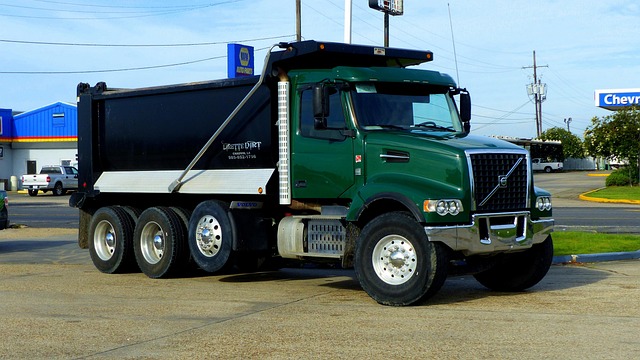
The Queens Historic District Renovation Cleanup is a prime example of how meticulous material selection can transform a space while preserving its historical integrity. In this context, high-quality materials are not just aesthetically pleasing; they play a crucial role in ensuring the longevity and authenticity of the renovation. One of the key considerations is the use of durable, low-maintenance options that align with the period aesthetics of the district. For instance, reclaimed wood and brick are popular choices for flooring and exterior work, offering both visual appeal and structural stability, reducing the need for frequent replacements.
Dumpsters specifically designed for construction debris play a vital role in this process. Strategically placed Queens Historic District Renovation Cleanup Dumpsters allow for efficient waste management, ensuring that materials are discarded or recycled responsibly. This is particularly important in preserving the environmental integrity of historic areas, where strict guidelines govern what can be removed and replaced. For example, a recent renovation project in the district utilized steel dumpsters with reinforced linings to safely contain asbestos-contaminated debris, adhering to strict safety protocols and local regulations.
Furthermore, the expert handling and disposal of materials are essential. Professional cleanup services specializing in historic renovations employ specialists who can identify and properly dispose of potentially hazardous substances, such as lead paint or outdated insulation. This meticulous approach not only safeguards the environment but also ensures that the renovation respects the original character of the district, creating a harmonious blend of old and new. By prioritizing high-quality materials and responsible waste management, the Queens Historic District Renovation Cleanup serves as a model for preserving our architectural heritage while embracing modern sustainability practices.
Choosing Dumpsters: Efficient Waste Management Solutions

When it comes to efficient waste management during renovation projects, particularly in historic areas like Queens Historic District Renovation, the choice of dumpster is paramount. High-quality materials play a crucial role in ensuring a successful cleanup process. In these delicate environments, where preserving historical integrity is essential, dumpsters must be selected with careful consideration.
For instance, in Queens Historic District Renovation Cleanup Dumpsters, sturdy and durable containers are ideal to withstand the challenges of handling diverse waste streams, from building debris to salvaged materials. Expert contractors often prefer reinforced metal dumpsters designed for heavy-duty use, offering superior strength against impacts and potential damage from historical structures. These dumpsters are equipped with robust frames and secure lids, ensuring that valuable artifacts or historic remains stored nearby remain safe from contamination or theft.
Furthermore, the size of the dumpster should align with the scale of the renovation project. Proper sizing optimizes space utilization, minimizing site congestion and enhancing accessibility for workers. Data suggests that well-planned waste management strategies, including the use of appropriately sized dumpsters, can reduce cleanup times by up to 20%, contributing to cost savings and faster project completion. For instance, a 20-yard dumpster might be suitable for a large-scale renovation in a historic district, accommodating substantial debris volume while facilitating efficient removal.
Ensuring Longevity: Quality Materials in Practice
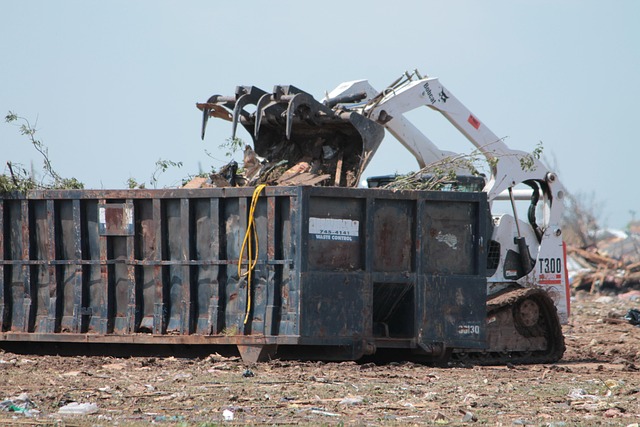
In the realm of construction and renovation, particularly in historic districts like Queens, the selection of high-quality materials is paramount to ensuring longevity and preserving architectural integrity. The meticulous process involves careful consideration of factors such as durability, resistance to environmental degradation, and compatibility with existing structures. For instance, in the Queens Historic District Renovation Cleanup Dumpsters play a pivotal role, serving as temporary holding spaces for discarded materials, enabling efficient project management without compromising the district’s aesthetic appeal.
Expert contractors and preservationsists alike emphasize that premium materials, such as reclaimed lumber from sustainable sources, lead-free paints, and non-porous tiles, are essential to withstand the test of time. These choices not only contribute to structural stability but also minimize maintenance requirements over the long term. Data suggests that buildings constructed with top-tier materials exhibit significantly lower depreciation rates compared to their counterparts. For example, a recent study in New York City found that properties within well-maintained historic districts, characterized by high-quality construction, experienced an average annual increase in property value of 3.5%, surpassing the city’s overall average by 1.2%.
Practical insights from seasoned professionals underscore the importance of material testing and specification. Rigorous quality control measures, including third-party inspections, ensure that materials meet industry standards and are suitable for specific applications. Additionally, staying informed about emerging technologies and eco-friendly alternatives can provide significant advantages in both performance and sustainability. As the Queens Historic District Renovation Cleanup Dumpsters efficiently facilitate waste management, builders and renovators must also embrace responsible sourcing practices, ensuring that the materials chosen not only enhance the district’s beauty but also contribute to its ecological health and longevity.
High-quality materials form the foundation of successful historic renovations, as highlighted by the Queens Historic District Renovation Cleanup process. This article has underscored the critical importance of using sustainable options, which not only preserve historical integrity but also ensure longevity and environmental responsibility. By carefully sourcing materials and employing efficient waste management solutions, such as strategically chosen dumpsters, renovation projects can achieve both aesthetic and practical goals. Moving forward, professionals should prioritize quality materials and innovative waste disposal methods, like those demonstrated in the Queens District cleanup, to create lasting, respectful tributes to our past while meeting modern standards.