
Renovating historic buildings in areas like New York City's Queens Historic District requires meticulous material selection to balance structural integrity, historical authenticity, and modern safety standards. Key practices include using period-appropriate materials, local resources, recycled/reclaimed materials, and sustainable suppliers. Queens Historic District Renovation Cleanup Dumpsters are crucial for segregating hazardous waste from recyclables, promoting efficient debris removal, and enhancing recycling rates. To reconcile budget constraints with sustainability, prioritize cost-effective materials with environmental benefits, engage local green suppliers, and conduct lifecycle cost analysis. Strategic dumpster management streamlines waste disposal, reduces project delays, and supports historic district goals.
In the realm of architectural preservation, particularly within historic districts like Queens, the meticulous selection of building materials is paramount to preserving authenticity and enhancing sustainability. The intricate process involves navigating a vast array of options while adhering to strict historical guidelines, ensuring structural integrity, and minimizing environmental impact. This article delves into the art and science of material choice, offering insights tailored for the revitalized Queens Historic District. By exploring innovative yet historically sensitive solutions, we provide valuable guidance for professionals tasked with the meticulous cleanup and renovation efforts, such as those facilitated by Queen’s historic district renovation cleanup dumpsters.
- Understanding Building Material Needs for Historic Renovations
- Assessing Eco-Friendly Options: A Green Approach to Selection
- Exploring Local Resources: Queens Historic District Case Study
- Cost vs. Sustainability: Balancing Budget and Environmental Impact
- Implementing Effective Cleanup Strategies with Dumpster Management
Understanding Building Material Needs for Historic Renovations

Renovating historic buildings presents a unique set of challenges compared to new construction projects. The need for precise material selection is paramount, as these structures often require meticulous restoration rather than mere upgrading. Understanding the nuances of building materials in such contexts demands a deep appreciation for both historical authenticity and structural integrity. One key consideration is sourcing materials that align with the original era and design intent without compromising modern safety standards.
In the context of New York City’s Queens Historic District, renovations often involve meticulous cleanup and waste management strategies. Large-scale projects may require specialized Queen Historic District renovation cleanup dumpsters to accommodate the diverse debris stream, including everything from architectural salvage to hazardous materials like lead paint and asbestos. For instance, a study by the National Park Service found that historic building renovations generate significant amounts of construction waste, with up to 30% consisting of reusable or recyclable materials. Properly managing this waste stream not only supports sustainable practices but also helps preserve the historical character of the district.
Experts recommend engaging in thorough material research, considering both readily available options and rare, period-appropriate alternatives. This process may involve consultation with architects, historians, and conservators to ensure decisions are informed by technical expertise and adhere to local historic preservation guidelines. For example, reproducing period-correct flooring or hardware can be a delicate task, requiring careful analysis of surviving artifacts and historical documentation. Effective project planning includes allocating adequate time for sourcing rare materials and coordinating with suppliers who specialize in antique building components.
A strategic approach to material selection also encompasses considering long-term sustainability and maintenance. Historic buildings offer the opportunity to embrace eco-friendly practices by incorporating recycled or reclaimed materials and implementing energy-efficient upgrades. Regular maintenance plans should account for the unique characteristics of each chosen material, ensuring longevity and preserving the building’s historical integrity. By balancing respect for the past with thoughtful planning for the future, successful historic renovation projects can stand as testaments to both architectural heritage and innovative stewardship.
Assessing Eco-Friendly Options: A Green Approach to Selection

In the realm of building materials selection, especially within urban areas like the Queens Historic District, adopting eco-friendly options is not merely a trend but an imperative. The district’s recent renovation projects have underscored the importance of minimizing environmental impact while preserving historical integrity. One significant strategy involves choosing sustainable materials that reduce carbon footprints without compromising quality or aesthetics. For instance, using locally sourced wood certified by the Forest Stewardship Council (FSC) can cut down on transportation emissions and support responsible forestry practices. Similarly, recycled steel and concrete from Queens Historic District Renovation Cleanup Dumpsters offer viable alternatives to virgin materials, contributing to a circular economy.
Expert perspectives highlight that specifying green materials requires thorough assessment across multiple criteria. First, consider the product’s lifecycle, from extraction to disposal. Materials with lower embodied energy, such as bamboo or recycled glass, are more environmentally friendly than those demanding extensive processing. Second, assess the material’s impact on indoor air quality; non-toxic options like low-VOC paints and natural fibers are preferable for occupant health and well-being. Third, evaluate the product’s recyclability and potential for end-of-life reuse, ensuring a longer-lasting positive environmental effect. Data from the U.S. Green Building Council indicates that LEED-certified buildings incorporating eco-friendly materials have lower operational costs and reduced waste streams compared to conventional structures.
Practical implementation begins with thorough research and consultation. Architects and developers should engage with material suppliers who specialize in sustainability, leveraging their expertise to navigate the evolving market landscape. Specifying sustainable materials can also enhance a project’s appeal to environmentally conscious clients and tenants. For instance, the Queens Historic District has seen increased interest from residents and businesses prioritizing green spaces and eco-friendly amenities. By embracing these practices, builders contribute not just to the district’s historical preservation but also to its future resilience and environmental sustainability.
Exploring Local Resources: Queens Historic District Case Study
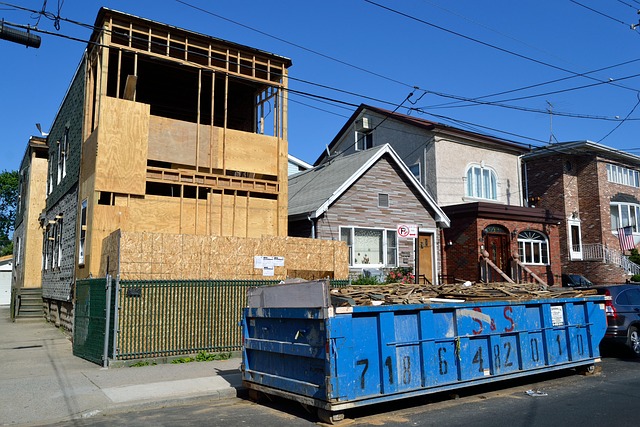
In the realm of building materials selection, exploring local resources is a strategic approach that not only enhances sustainability but also imbues a project with unique character. The Queens Historic District renovation provides a compelling case study. Located in New York City, this district is renowned for its architectural heritage, featuring a mix of styles from different eras. Navigating the challenge of preserving historical integrity while incorporating modern functionality demanded a meticulous choice of building materials.
One key insight from the Queens Historic District project is the importance of understanding local availability and environmental impact. For instance, the use of reclaimed wood from local sources not only reduced transportation emissions but also fostered a connection to the region’s history. Similarly, recycled steel and concrete, readily accessible in the area, were integrated into the renovation, minimizing waste and contributing to a more sustainable construction process. This approach required close collaboration with local suppliers and artisans, ensuring that materials met specific historical restoration standards.
Furthermore, the case study highlights the practical considerations of using locally sourced materials. Queens Historic District Renovation Cleanup involved meticulous planning to manage debris, with dumpsters strategically placed to facilitate efficient removal. This not only maintained site safety but also streamlined the overall cleanup process, allowing for a smoother transition to the next phases of construction. By prioritizing local resources, the project achieved both aesthetic and environmental goals, setting a benchmark for sustainable building practices in similar historic districts worldwide.
In terms of actionable advice, architecture firms and developers should initiate comprehensive material sourcing analyses early in the design phase. This involves researching local suppliers, evaluating material lifespans, and assessing their impact on the environment. Incorporating locally sourced materials not only contributes to a project’s sustainability narrative but also fosters community engagement and pride in the completed structure. Ultimately, exploring local resources is more than just an eco-friendly choice; it becomes a defining characteristic that enriches both the built environment and the communities it serves.
Cost vs. Sustainability: Balancing Budget and Environmental Impact

When undertaking renovation projects, especially in culturally significant areas like the Queens Historic District, balancing cost-effectiveness with sustainability presents a unique challenge. This dilemma is particularly acute when considering building materials—a crucial component driving both budget and environmental impact. The traditional approach leans heavily on inexpensive yet potentially harmful materials, leading to long-term ecological consequences. However, adopting sustainable options can significantly increase upfront costs, raising questions about affordability for many property owners and developers.
In the context of Queens Historic District Renovation, cleanup dumpster services play a pivotal role in managing material disposal responsibly. By employing specialized cleanup and recycling programs, these dumpsters facilitate the segregation of materials like wood, metal, and concrete from hazardous waste, ensuring proper recycling and reuse. For instance, reclaimed wood can be salvaged for repurposing, reducing demand for new lumber and minimizing deforestation impacts. Similarly, recycled steel and concrete are readily available alternatives to virgin resources, cutting down on energy consumption and greenhouse gas emissions associated with production.
To bridge the gap between budget constraints and sustainability goals, a strategic approach is essential. One effective strategy involves prioritizing materials that offer both cost savings and environmental benefits over time. For example, while initial costs for sustainable roofing materials like asphalt shingles might be comparable to traditional options, their superior durability leads to fewer replacements over a building’s lifespan, reducing long-term expenses. Furthermore, engaging with local suppliers specializing in recycled or sustainably sourced materials can unlock competitive pricing due to reduced transportation and supply chain logistics. It is also crucial to consider the full lifecycle cost analysis of materials, factoring in installation, maintenance, and eventual disposal costs. By adopting this holistic perspective, project stakeholders can make informed decisions that balance immediate budget considerations with long-term environmental stewardship, ensuring the preservation not only of historical structures but also of our planet’s resources for future generations.
Implementing Effective Cleanup Strategies with Dumpster Management
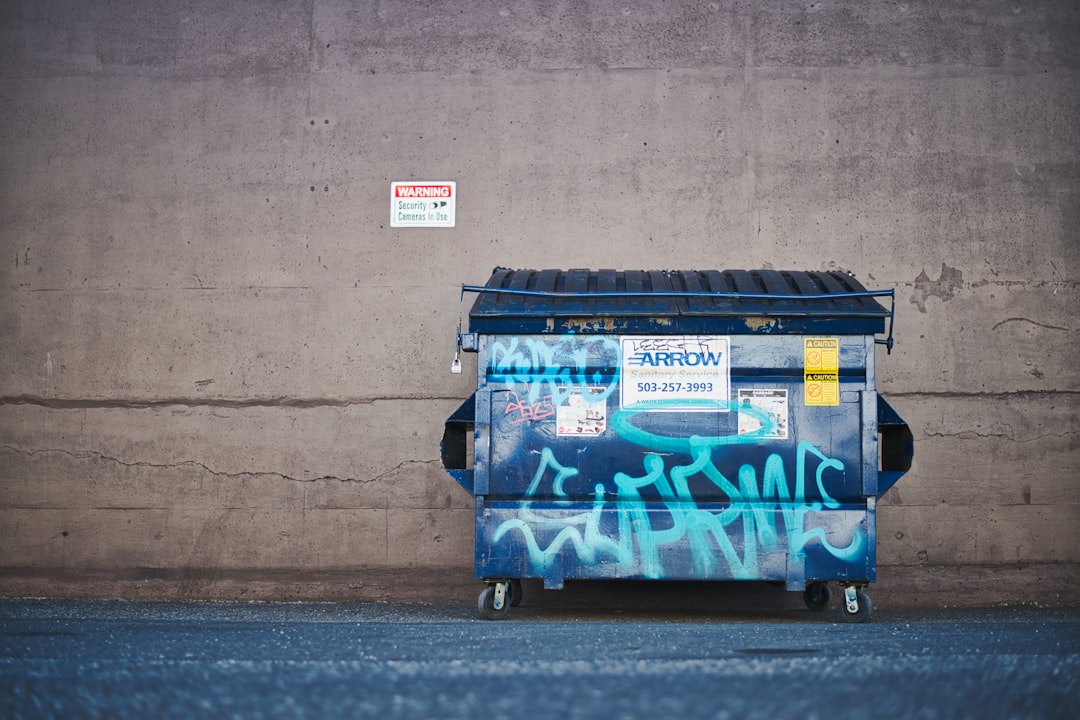
In the realm of construction and renovation projects, especially in densely populated areas like Queens Historic District Renovation, effective cleanup strategies are not merely desirable but essential. One of the cornerstone elements for achieving a clean and efficient site is proper dumpster management. Dumpsters, naturally, play a pivotal role in facilitating the disposal of construction waste, debris, and surplus materials. However, their strategic implementation goes beyond mere placement; it involves meticulous planning and execution to ensure maximum efficiency and minimal environmental impact.
For instance, in a recent renovation project within Queens Historic District, contractors adopted a dumpster management strategy that involved tiered placement based on material types. Construction waste, such as concrete and bricks, was directed to specialized dumpsters designed for heavy materials, while recyclables like wood and metal were segregated into dedicated containers. This approach not only streamlined the cleanup process but also significantly enhanced recycling rates, aligning with sustainability goals. Moreover, the use of compactors alongside these dumpsters allowed for space optimization, enabling tighter site management and reducing the overall project footprint.
Expert recommendations suggest that regular monitoring and scheduling of pickup and delivery are crucial. In practice, this means establishing clear communication lines between contractors, haulers, and site supervisors to ensure timely removal of waste. For instance, in a case study involving a large-scale renovation in Manhattan, proactive dumpster management led to a 20% reduction in project delays caused by waste buildup. This was achieved through scheduled pickups every two weeks, allowing for continuous site cleanup and promoting a smoother workflow. Furthermore, proper signage and clear markings on dumpsters can facilitate user understanding, reducing the risk of contamination and ensuring materials are disposed of or recycled appropriately.
In light of these insights, implementing effective cleanup strategies with dumpster management requires a holistic approach. It involves pre-planning that considers site specifics, material types, and environmental considerations. Regular communication, timely scheduling, and clear signage are key practices to ensure success. By adopting these strategies, renovation projects can not only achieve efficient waste disposal but also contribute to the overall sustainability and aesthetic goals of historic districts like Queens.
Building material selection for historic renovations requires a nuanced approach that balances historical integrity with modern sustainability and budget constraints. Key insights include the importance of understanding specific material needs for historic preservation, assessing eco-friendly options to minimize environmental impact, and leveraging local resources as demonstrated in the Queens Historic District case study. Cost versus sustainability must be carefully considered, and effective cleanup strategies using dumpster management can significantly enhance project efficiency and reduce waste. By integrating these principles, professionals can successfully navigate complex renovation projects while preserving historical value and promoting sustainable practices, such as those implemented in Queens Historic District Renovation Cleanup Dumpsters.