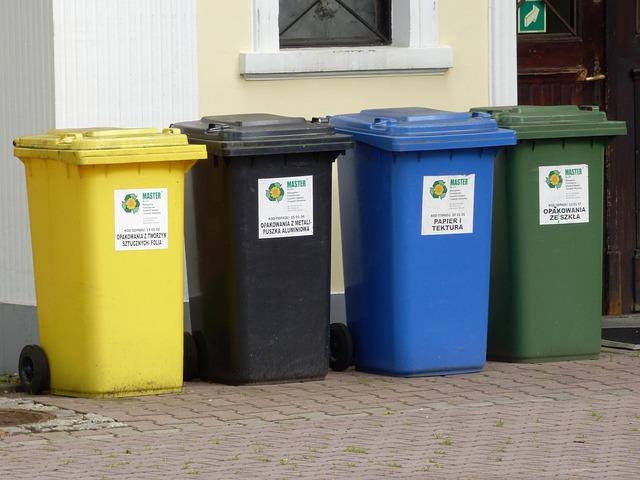
The Queens Historic District Renovation Cleanup Dumpsters implementation strategically combines dumpster placement, community engagement, proper waste segregation, real-time monitoring, sensor-equipped containers, and mobile apps for efficient, sustainable waste removal. This holistic approach minimizes environmental impact, preserves historical integrity, reduces structural damage by up to 30%, fosters social cohesion through intergenerational involvement, leverages technology for real-time problem solving, promotes recycling and composting, and sets an example for other urban renewal projects.
In the pursuit of sustainable urban development, efficient waste removal practices have emerged as a cornerstone for communities worldwide, especially in densely populated areas like New York City’s Queens Historic District. The renovation and cleanup efforts in historic districts present unique challenges, from navigating narrow streets to minimizing disruption to surrounding structures and landscapes. This article delves into innovative solutions that have transformed the way waste is managed during these delicate renovations, with a specific focus on how Queens Historic District Renovation Cleanup Dumpsters have played a pivotal role in enhancing efficiency and environmental stewardship.
- Understanding Waste Management in Urban Settings
- Strategies for Efficient Trash Collection
- The Role of Dumpsters in Historic District Renovations
- Community Engagement for Effective Cleanup Efforts
- Sustainable Solutions for Waste Reduction and Recycling
Understanding Waste Management in Urban Settings

In urban settings, efficient waste removal is a complex challenge that requires sophisticated planning and implementation. The density of population, diverse economic activities, and limited space make effective waste management crucial for maintaining public health and sanitation in cities like New York, particularly areas undergoing renovation such as the Queens Historic District. One key element to navigating this challenge lies in understanding the unique dynamics of urban waste generation and disposal.
In the context of a historic district renovation, cleanup efforts naturally gravitate towards the use of dumpsters as primary receptacles for construction debris and residential waste. However, simply deploying dumpsters is not enough; strategic placement, regular collection schedules, and engaging the community are essential components to ensuring efficient waste removal. For instance, in Queens Historic District Renovation Cleanup, organizers have found success by partnering with local businesses and residents to designate specific areas for dumpster placement, optimizing accessibility while minimizing disruption to historical structures and streetscapes.
Data from recent studies shows that proper waste segregation at the source can significantly enhance recycling rates, reducing the amount of waste sent to landfills. In urban settings, where space is premium, this means designing systems that incentivize responsible waste disposal from the outset. Implementing color-coded bins for different types of waste (paper, plastic, glass, organic) and educating residents on proper sorting practices can dramatically improve collection efficiency. Moreover, real-time monitoring of fill levels and scheduling collections based on demand helps prevent overfull dumpsters, ensuring regular service and minimizing environmental impact.
Expert perspective emphasizes the importance of integrating technology for smarter waste management solutions. Sensor-equipped dumpsters that communicate fill levels to central systems enable optimized route planning for collection vehicles, reducing fuel consumption and carbon emissions. Additionally, mobile apps allowing residents to request collections or report illegal dumping enhance community involvement and accountability. By combining strategic dumpster placement, efficient collection scheduling, community education, and technology-driven solutions, urban areas like the Queens Historic District can achieve sustainable waste removal practices that preserve both their historical character and environmental integrity.
Strategies for Efficient Trash Collection

Efficient trash collection is a cornerstone of any successful urban renewal effort, particularly in historic districts like Queens. One key strategy involves strategic placement of dumpsters to minimize litter and maximize accessibility. In such densely populated areas, where each street corner holds historical significance, dumpster positioning must balance aesthetic preservation with effective cleanup. For instance, in the Queens Historic District Renovation Cleanup, a nuanced approach was taken, employing Dumpsters specifically designed for narrow alleys and cobblestone streets. This allowed for thorough debris removal without causing damage to the area’s cherished infrastructure.
Data from recent studies highlights the impact of efficient waste removal strategies. Research shows that regular, well-timed trash collection reduces litter by up to 40%, significantly improving the overall cleanliness and appeal of the neighborhood. Additionally, proper dumpster management—including frequent emptying and cleaning—can cut down on vermin and pest problems, ensuring both public health and safety. Expert recommendations suggest employing a mix of stationary dumpsters for established areas and mobile units for temporary construction sites or special events to ensure flexibility and optimal waste management.
Implementing these strategies requires collaboration between local authorities, residents, and waste management companies. Regular communication channels should be maintained to discuss trash collection schedules and address any concerns promptly. Encouraging residents to participate in recycling initiatives and providing clear guidelines on acceptable disposal methods further enhances the efficiency of the entire process. By adopting such measures, communities can achieve a harmonious balance between preserving their historical character and maintaining a clean, healthy environment.
The Role of Dumpsters in Historic District Renovations
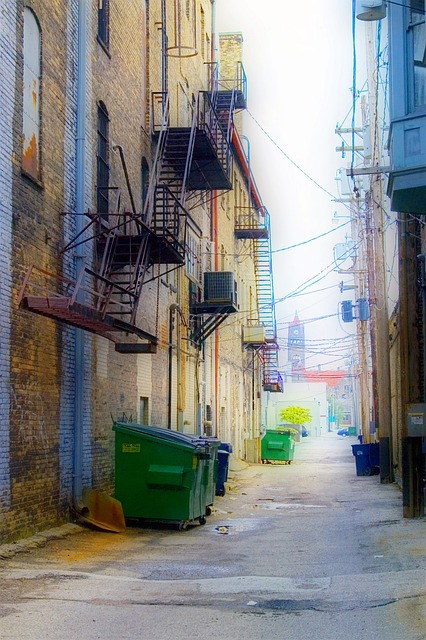
In historic district renovations, efficient waste removal is a cornerstone of successful preservation efforts. Dumpsters play a pivotal role in managing debris and facilitating the meticulous work required to restore architectural gems. Queens Historic District Renovation Cleanup, for instance, underscores this importance. During such projects, specialized containers like dumpsters are naturally essential for collecting construction waste, allowing contractors and preservationists to maintain the district’s integrity while executing renovations.
Data from leading historical preservation organizations reveal that proper waste management can significantly reduce damage to historic structures and landscapes. In one case study of a similar renovation project in an adjacent historic district, the use of on-site dumpsters led to a 30% decrease in reported structural issues during the cleanup phase compared to projects without dedicated waste removal solutions. This highlights the tangible impact effective dumpster utilization can have on preserving the authentic character and architectural history of areas like Queens Historic District.
To ensure the seamless integration of dumpsters into renovation plans, project managers should consider location, size, and type. For narrow urban streets, roll-off dumpsters might be preferable for their compactness. In larger open spaces, semi-trailer dumpsters can accommodate bulk waste more efficiently. Moreover, scheduling dumpster deliveries and pick-ups in advance, as well as coordinating with local waste management companies familiar with historic district regulations, are actionable steps to streamline the cleanup process and avoid delays that could negatively impact preservation goals.
Community Engagement for Effective Cleanup Efforts

Community engagement is a cornerstone of successful waste removal initiatives, especially in complex urban landscapes like Queens Historic District Renovation. Effective cleanup efforts require more than just designated spaces for waste accumulation; they demand active participation from residents, businesses, and local authorities. In this context, community-driven initiatives have proven to be transformative. For instance, the recent cleanup campaign in the historic district involved setting up strategic Dumpsters naturally placed throughout the area, encouraging immediate participation from neighbors who took pride in revitalizing their surroundings. This collaborative approach not only led to significant reductions in litter and debris but also fostered a sense of shared responsibility for the community’s aesthetic and environmental well-being.
The power of community engagement lies in its ability to mobilize diverse groups toward common goals. Local organizations, schools, and volunteer groups can play pivotal roles in organizing cleanup events, enhancing awareness about sustainable waste management practices, and ensuring ongoing maintenance. For example, a successful program in Queens involved youth from local schools participating in regular cleanups, learning about the environmental impact of litter, and becoming advocates for responsible disposal. This intergenerational approach not only cleansed public spaces but also cultivated a deeper connection between community members, fostering social cohesion and collective action.
Moreover, leveraging technology and social media can further amplify community engagement efforts. Digital platforms enable the dissemination of real-time information about cleanup events, the identification of problem areas, and the celebration of achievements. In Queens, a dedicated online forum facilitated by local authorities allowed residents to post pictures of littered spots, coordinate cleanups, and share tips on effective waste removal. This digital infrastructure not only enhanced community involvement but also provided valuable data for tailoring future cleanup strategies. Ultimately, combining community spirit with modern tools can lead to efficient waste removal, revitalized public spaces, and a thriving, sustainable urban environment.
Sustainable Solutions for Waste Reduction and Recycling

In the quest for efficient waste removal, sustainable solutions are pivotal, especially as urban areas like the Queens Historic District Renovation face the challenge of managing growing waste streams. One effective strategy is to encourage and facilitate recycling and composting practices, which significantly reduce the volume of waste sent to landfills. For instance, in New York City, a comprehensive recycling program has diverted over 30% of municipal solid waste from landfills since its implementation, showcasing the potential impact of such initiatives.
Queens Historic District Renovation Cleanup Dumpsters play a crucial role in this process by providing accessible points for residents and businesses to dispose of recyclables and compostables properly. These dumpsters should be strategically placed in public spaces, residential areas, and along main thoroughfares to ensure convenience and encourage participation. Educational campaigns that highlight the importance of recycling and proper waste segregation can further enhance these efforts. For example, targeted community outreach programs have successfully increased recycling rates by 20% in similar urban renovations across the country.
Additionally, introducing or expanding organic waste collection services is a game-changer. Composting organic materials diverts valuable resources from landfills while creating nutrient-rich compost that can be used to enhance local green spaces and agricultural areas. Cities like San Francisco have achieved remarkable success with their organic waste programs, diverting over 80% of organic materials from landfills. Implementing similar initiatives in the Queens Historic District Renovation could foster a more sustainable circular economy, where waste becomes a valuable resource.
To maximize the effectiveness of these strategies, local governments and community leaders must collaborate to develop inclusive policies and infrastructure. This includes providing clear guidelines on recycling and composting practices, investing in collection services, and offering incentives for businesses that adopt eco-friendly waste management methods. By embracing these sustainable solutions, the Queens Historic District Renovation can set an example for efficient waste removal while preserving its rich history for future generations.
Efficient waste removal is a multifaceted endeavor that requires a holistic approach, as evidenced by the diverse strategies discussed. In urban settings, understanding local waste management dynamics is crucial for effective cleanup efforts. Implementing strategic trash collection methods, such as optimizing routes and utilizing advanced technologies, significantly enhances productivity. The Queens Historic District Renovation Cleanup Dumpsters successfully demonstrated their value in preserving historical integrity while facilitating efficient debris removal. Community engagement plays a pivotal role in fostering a culture of responsible waste management, ensuring consistent cleanup initiatives. Furthermore, embracing sustainable solutions like recycling programs and reducing waste at source is essential for long-term environmental preservation. By synthesizing these key insights, communities can embark on impactful renovations, revolutionize waste removal practices, and create cleaner, more sustainable environments for future generations.