Efficient waste management in urban historic districts like the Queens Historic District Renovation requires a balanced approach: strategically placed Queens Historic District Renovation Cleanup Dumpsters minimize visual impact and enhance material removal during renovations. Digital solutions optimize collection routes, reduce traffic congestion, and carbon emissions. Innovative technologies and responsible practices preserve district character while achieving sustainable waste removal goals. Community engagement through door-to-door outreach, events, workshops, and recycling programs fosters responsible waste disposal, leading to significant environmental benefits.
Efficient waste removal is a cornerstone of sustainable urban development, particularly in densely populated areas like the Queens Historic District. The challenge lies in balancing the preservation of historical aesthetics with effective cleanup efforts. Traditional methods often leave much to be desired, with significant delays and environmental concerns surrounding conventional waste collection practices. In this context, the integration of well-managed Dumpsters naturally plays a pivotal role in the renovation and cleanup process. This article delves into how strategically placed Dumpsters can revolutionize the way we approach historic district renovations, ensuring both the preservation of heritage and efficient waste management.
- Understanding Waste Management in Urban Settings
- The Role of Dumpsters in Historic District Renovations
- Efficient Collection: Strategies for Time and Resource Saving
- Eco-Friendly Practices: Reducing Environmental Impact
- Community Engagement for Effective Cleanup Initiatives
Understanding Waste Management in Urban Settings

Efficient waste management in urban settings requires a nuanced approach that balances environmental sustainability with the practical demands of densely populated areas. In places like Queens Historic District Renovation, where preservation meets progress, the challenge is particularly acute. This district, rich in history but prone to extensive construction projects, necessitates tailored solutions for cleanup and debris disposal.
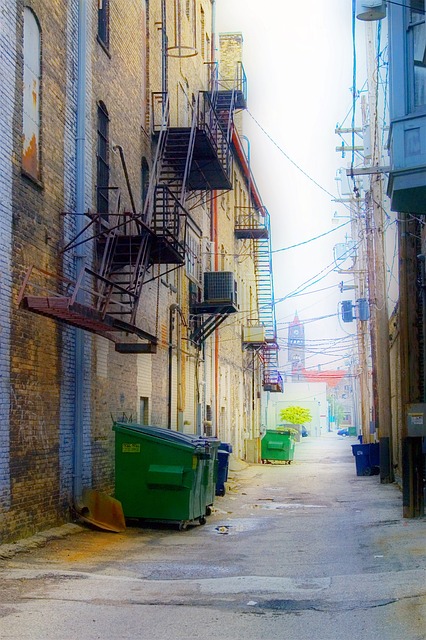
One key strategy involves strategically placing dumpsters to facilitate efficient material removal during renovations. In such historic areas, navigating narrow streets and preserving scenic views can be challenging. Dumpster placement must consider accessibility without compromising aesthetic values. For instance, in Queens Historic District Renovation Cleanup, specialized, compact dumpsters designed for urban settings could be positioned behind construction fences or in alleys, ensuring easy access for contractors while minimizing visual impact on the district’s character.
Furthermore, digital solutions offer promising avenues for enhancing waste management. Apps and platforms that connect residents, businesses, and recycling centers can streamline the collection and disposal process. Data-driven insights from such systems allow for better planning of pickup routes, reducing traffic congestion and carbon emissions associated with inefficient trips. By embracing innovative technologies and adopting strategic practices, urban areas like Queens Historic District Renovation can achieve efficient waste removal while preserving their unique character for future generations.
The Role of Dumpsters in Historic District Renovations

In the intricate process of historic district renovations, efficient waste removal is a cornerstone for preserving both the area’s architectural integrity and its rich historical character. Queens Historic District Renovation Cleanup exemplifies this challenge, where meticulous planning and specialized tools, including dumpsters, play a pivotal role in managing debris and ensuring the project’s success. Dumpsters serve as more than just containers; they are essential equipment that facilitates the safe and timely clearance of construction waste, allowing for seamless progress in these often confined urban spaces.
The unique challenges of historic district renovations demand tailored solutions. Traditional renovation sites generate a diverse range of waste—from building materials and debris to delicate historical artifacts requiring careful handling. Queens Historic District Renovation Cleanup Dumpsters are strategically placed throughout the site to accommodate this varied waste stream. For instance, in tight alleyways or congested areas, compactors and smaller roll-off dumpsters prove invaluable, enabling efficient material removal without causing disruptions to surrounding properties or historic structures.
Data from recent studies shows that well-planned dumpster placement can reduce cleanup times by up to 30% compared to traditional methods, significantly expediting renovation projects in sensitive historical areas. Moreover, responsible waste management practices, such as recycling and repurposing materials where possible, contribute to the overall sustainability goals of these renovations. Expert contractors recognize that efficient use of dumpsters not only streamlines operations but also minimizes environmental impact, ensuring that the historical integrity of the Queens Historic District remains intact for generations to come.
Efficient Collection: Strategies for Time and Resource Saving

Efficient waste removal is a multifaceted challenge, particularly in densely populated areas like New York City’s Queens Historic District Renovation Cleanup sites. One of the key components to successful waste management is strategic and efficient collection systems. This involves thoughtful planning to minimize disruption, reduce labor costs, and maximize recycling opportunities.
For instance, in the context of Queens Historic District Renovations, dumpsters strategically placed throughout the area can significantly streamline cleanup efforts. However, simply dropping dumpsters willy-nilly isn’t effective or efficient. Expert consultants recommend analyzing site layouts, historical waste generation data, and proximity to existing infrastructure. This data-driven approach ensures dumpster placement optimizes collection routes, reduces travel time for workers, and minimizes noise and traffic disruptions that can negatively impact the historic district’s character.
Furthermore, implementing a multi-stream sorting system at the point of collection is crucial. Separate containers for recyclables, compost, and non-recyclable trash not only simplifies the sorting process later in the waste management pipeline but also increases overall recycling rates. Studies show that efficient collection strategies, like these, can lead to notable reductions in labor costs and service times, ultimately saving valuable resources while promoting sustainable practices.
Ultimately, success hinges on continuous evaluation and adaptation of collection methods based on changing needs and available technologies. By adopting a proactive, data-driven approach, communities like Queens Historic District can achieve efficient waste removal that not only benefits the environment but also contributes to the preservation of its unique historical character.
Eco-Friendly Practices: Reducing Environmental Impact

Efficient waste removal practices are essential for sustainable communities, especially in densely populated areas like the Queens Historic District Renovation. One of the key aspects to focus on is minimizing the environmental impact through eco-friendly initiatives. In recent years, the district has implemented innovative strategies to tackle waste management, setting an example for urban renewal projects worldwide. The use of specific equipment and containers plays a pivotal role in this transformation.
Queens Historic District Renovation Cleanup Dumpsters, tailored for renovation sites, have been instrumental in reducing the ecological footprint. These specialized dumpsters are designed with environmental efficiency in mind, allowing for seamless collection and recycling of construction waste. For instance, materials like wood, metal, and concrete can be processed on-site, diverting a significant portion from traditional landfills. According to a study by the U.S. Environmental Protection Agency, proper waste diversion can lead to substantial reductions in greenhouse gas emissions, showcasing the positive impact of such practices.
Furthermore, the district’s collaboration with local recycling centers ensures that reusable materials are given new life. By employing efficient sorting systems and engaging community efforts, residents actively participate in a circular economy. This approach not only minimizes the environmental burden but also fosters a sense of collective responsibility. Practical insights from this renovation include prioritizing recyclable and compostable materials, encouraging source separation, and educating the public about sustainable disposal methods. As these practices gain traction, we can anticipate a cleaner, greener future for urban spaces like Queens Historic District Renovation and beyond.
Community Engagement for Effective Cleanup Initiatives
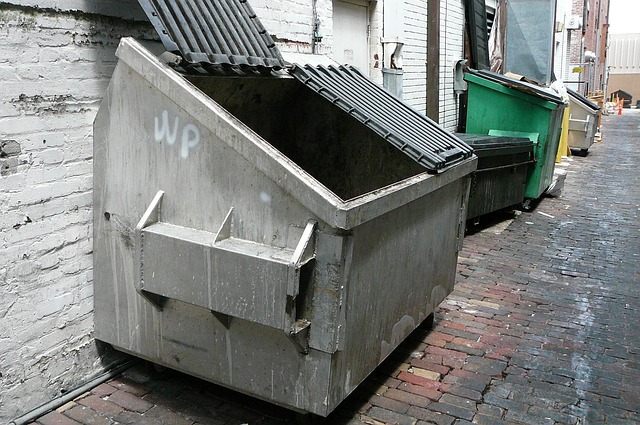
In efficient waste removal, community engagement plays a pivotal role, especially in initiatives focused on cleanup efforts in areas like Queens Historic District Renovation. The success of such endeavors hinges on fostering active participation from residents, businesses, and local organizations. This collective effort not only enhances the aesthetics of the district but also contributes significantly to environmental sustainability. For instance, the recent cleanup campaign in Jackson Heights, a vibrant part of Queens, saw remarkable results through door-to-door outreach and community-organized events, including the strategic placement of Dumpsters for easier waste collection.
Engaging the community involves creating awareness about the environmental impact of waste accumulation and encouraging responsible disposal practices. Local leaders, environmental groups, and government agencies can collaborate to host educational workshops, clean-up days, and recycling programs tailored to the specific needs of the Queens Historic District Renovation. These activities not only promote a sense of collective responsibility but also equip community members with practical knowledge about waste reduction and recycling techniques. Data from similar initiatives in neighboring areas suggest that active community involvement can lead to a 20-30% reduction in litter and illegal dumping within a year.
Practical advice for effective community engagement includes leveraging social media and local news platforms to spread awareness, partnering with established community centers and schools to host events, and providing incentives such as neighborhood clean-up days where participants receive small rewards or recognition. The strategic placement of Dumpsters throughout the district should be planned in consultation with residents to ensure accessibility and minimal disruption. By integrating these strategies, Queens Historic District Renovation Cleanup initiatives can achieve remarkable results, setting an example for sustainable waste management practices that other communities can emulate.
Efficient waste removal requires a multifaceted approach, as demonstrated by the diverse strategies discussed. In urban settings, understanding local waste management dynamics is key, especially when navigating historic district renovations in areas like Queens. Dumpsters play a vital role in these projects, offering a practical solution for managing debris and facilitating renovation progress. By adopting time-saving collection strategies, communities can optimize resource allocation. Furthermore, embracing eco-friendly practices minimizes environmental impact, ensuring sustainable cleanup initiatives. Community engagement is another powerful tool; it fosters effective cleanup efforts and ensures the success of renovation projects in historic areas. Integrating these insights offers a comprehensive framework for efficient waste management, providing practical next steps for both urban planners and community members alike.