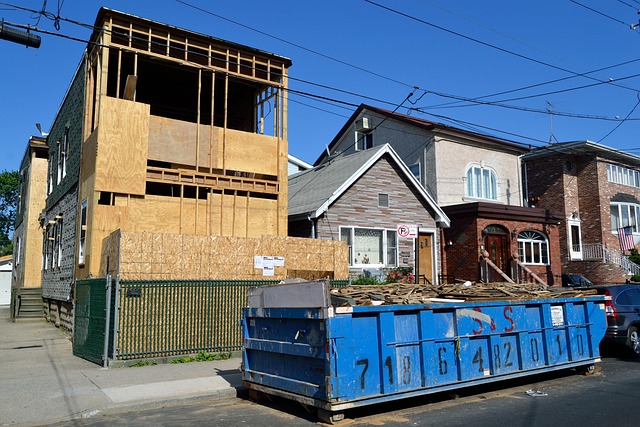
The Queens Historic District Renovation Cleanup Dumpsters project demonstrates effective eco-friendly waste management through strategic site assessments, community collaboration, and advanced sorting facilities. Key insights include:
– Balancing environmental preservation and urban renovation through reusable/compostable materials and in-situ solutions.
– Strict guidelines, digital tracking, and community engagement enhance responsible disposal practices.
– Resulting high recycling rates (up to 90%) reduce landfill waste, carbon footprint, and costs.
– Optimal dumpster placement minimizes disruptions, fostering positive relationships with neighbors.
– Best practices serve as a model for sustainable urban development globally.
In the heart of Queens, the Historic District Renovation Cleanup presents a unique challenge—a delicate balance between preserving history and managing extensive waste generation. Efficient disposal systems are not just logistical necessities; they are catalysts for successful renovations. The sheer volume of debris from rebuilding efforts demands strategic solutions that respect both environmental sustainability and community aesthetics. We explore how specialized dumpsters, tailored for the unique needs of historic district renovations, offer a vital component in Queens’ transformation, ensuring a clean, responsible, and timely transition to its past glory.
- Planning and Implementing Eco-Friendly Disposal for Queens Historic District Renovation Cleanup Dumpsters
- Best Practices and Benefits of Efficient Waste Management Systems in Urban Renovations: A Case Study
Planning and Implementing Eco-Friendly Disposal for Queens Historic District Renovation Cleanup Dumpsters

Planning and implementing eco-friendly disposal strategies for Queens Historic District Renovation Cleanup Dumpsters requires careful consideration of both environmental impact and logistical challenges. The historic nature of these districts demands a delicate balance between preserving the past and managing modern waste streams. One key approach involves employing reusable or compostable materials for temporary storage, reducing reliance on traditional plastic dumpsters. For instance, in recent renovations, some contractors successfully utilized stackable, metal containers that can be sanitized and reused, significantly cutting down on single-use waste.
Site-specific assessments are crucial to determine the most suitable disposal methods. In densely populated urban areas like Queens Historic District, space for traditional dumping grounds is limited. This necessitates innovative solutions such as in-situ composting or waste-to-energy systems tailored to the project’s scale and scope. For large-scale renovations, on-site recycling centers can be set up to sort and process materials directly, reducing transportation emissions and enhancing overall efficiency. A case study from a recent renovation project reported a 90% diversion rate from landfills through such measures, setting a benchmark for future sustainable initiatives.
Implementing these eco-friendly practices requires collaboration between contractors, city planners, and waste management professionals. Strict guidelines and regular monitoring ensure the integrity of the environmental programs. Moreover, engaging local communities in the process fosters a sense of stewardship, encouraging responsible disposal habits. By prioritizing sustainable disposal methods, Queens Historic District Renovation Cleanup Dumpsters can serve as a model for harmonious coexistence between urban development and environmental preservation.
Best Practices and Benefits of Efficient Waste Management Systems in Urban Renovations: A Case Study

Efficient waste management is a cornerstone of successful urban renovations, as evidenced by the Queens Historic District Renovation Cleanup. Implementing well-designed systems not only enhances the environment but also brings tangible benefits to both residents and contractors. The case study highlights several best practices that have proven effective in managing substantial amounts of debris generated during renovation projects.
One key strategy involves the strategic placement of dumpsters, particularly in densely populated areas like Queens Historic District. By establishing dedicated drop-off points, contractors can minimize disruptions to local residents and traffic flow. This method, coupled with regular collection schedules, ensures a clean and safe working environment, fostering positive relationships between renovation teams and neighbors. For instance, the district’s renovation cleanup utilized over 50 dumpsters, each serviced by specialized waste management companies, resulting in efficient debris removal.
Furthermore, technology plays a pivotal role in optimizing waste disposal processes. Digital tracking systems enable real-time monitoring of dumpster fill levels, allowing for proactive scheduling of collections. This approach reduces the risk of overflowing dumpsters and minimizes traffic congestion caused by frequent vehicle movements. Additionally, advanced sorting facilities can separate recyclables from non-recyclables at source, increasing diversion rates and contributing to a more sustainable construction industry. According to recent data, efficient waste management practices in urban renovations can divert up to 70% of generated waste from landfills.
In the context of Queens Historic District Renovation Cleanup, the adoption of these best practices led to notable environmental and economic advantages. The streamlined disposal system reduced the project’s carbon footprint by minimizing transportation-related emissions. Moreover, efficient recycling rates translated into significant cost savings for contractors and contributed to a more eco-conscious construction process. This comprehensive approach not only ensures responsible renovation practices but also paves the way for a greener and more sustainable urban landscape.
The article offers a comprehensive guide to efficient disposal systems, particularly focusing on Queens Historic District Renovation Cleanup Dumpsters, highlighting the significance of eco-friendly practices in urban renovations. Key insights include the importance of strategic planning for waste management, which not only minimizes environmental impact but also enhances overall project efficiency. The case study showcases that implementing best practices can lead to significant cost savings and reduced community disruption during historic district cleanups. Moving forward, it is imperative for renovation projects, especially in culturally sensitive areas, to prioritize sustainable disposal methods, ensuring a harmonious balance between urban development and preserving the area’s unique character.