
Strategic dumpster placement in Queens Historic District Renovation Cleanup projects balances accessibility and visual impact, minimizing disruption to local businesses and residents. Thoughtful positioning reduces noise and dust pollution, fostering community relations. Permits are essential for efficient waste management, ensuring compliance with local regulations and historical considerations. Eco-friendly dumpsters and comprehensive waste management practices enhance sustainability, setting a regional example for green renovation.
The efficient management of waste is a critical aspect of urban development, especially in densely populated areas like the Queens Historic District. As renovation projects proliferate, so does the challenge of cleanup and debris disposal, demanding innovative solutions to minimize disruption and environmental impact. Traditional methods often fall short, leading to cluttered landscapes and extended renovation timelines.
This article explores an effective strategy: implementing tailored disposal systems, such as those used in the Queens Historic District Renovation Cleanup Dumpsters, to streamline waste removal and accelerate project completion. By examining these systems, we uncover a practical approach that promises to revolutionize cleanup processes.
- Evaluating Dumpster Placement Strategies for Historic Renovation
- Navigating Permits: Legal Considerations for Queens Cleanup
- Sustainable Disposal Practices: A Comprehensive Guide for Renovators
Evaluating Dumpster Placement Strategies for Historic Renovation

In historic district renovations, efficient disposal systems play a pivotal role in minimizing disruption, preserving aesthetics, and adhering to strict regulations. One of the most critical considerations is strategic dumpster placement for Queens Historic District Renovation Cleanup projects. While it may seem straightforward, each site presents unique challenges that necessitate tailored solutions. For instance, narrow streets and historic building layouts can restrict access, mandating creative positioning and regular reconfiguration of dumpsters to accommodate construction progress.
A successful strategy involves balancing accessibility with visual impact. Dumpsters should be naturally integrated into the site’s layout, avoiding obstruction of view lines or historical landmarks. In densely populated areas like Queens, where noise and dust pollution are concerns, strategic placement can mitigate these issues. For instance, placing dumpsters in alleys or behind temporary fences can reduce visibility and noise exposure for neighboring properties, fostering better community relations.
Data from recent renovations in similar districts underscores the importance of thoughtful dumpster placement. Projects that implemented creative strategies saw up to 20% less disruption to local businesses and residents compared to traditional methods. Moreover, efficient disposal systems contribute to a cleaner, more aesthetically pleasing work environment, enhancing the overall quality of the renovation. By carefully evaluating each site’s unique characteristics and implementing adaptable placement strategies, Queens Historic District Renovation Cleanup efforts can achieve both exceptional results and compliance with preservation guidelines.
Navigating Permits: Legal Considerations for Queens Cleanup
Navigating permits is a critical aspect of efficient disposal systems, especially in urban areas like Queens, New York, renowned for its diverse neighborhoods and historic districts. The renovation and cleanup process in Queens Historic District requires meticulous planning, including obtaining the necessary legal permissions to ensure compliance with local regulations. This involves understanding the specific requirements for waste management, particularly when dealing with construction debris and hazardous materials. For instance, a recent renovation project in the district required specialized dumpsters capable of handling asbestos-contaminated materials due to the age of the buildings.
Obtaining permits is a multi-step process that varies across local jurisdictions within Queens. Typically, property owners or contractors must apply for a building permit and a waste disposal permit from the relevant municipal department. In some cases, additional approvals may be needed from environmental agencies, especially when projects involve significant soil disturbance or the handling of potentially toxic substances. For instance, a large-scale cleanup operation in a former industrial site required coordination with the New York State Department of Environmental Conservation (DEC) to address contaminated soil and water issues.
Expert advice suggests that staying informed about local permitting requirements and engaging with community boards early in project planning can streamline the process. Many Queens neighborhoods have active community development committees that review and provide feedback on proposed projects, including cleanup and renovation plans. Collaborating with these groups ensures a better understanding of specific neighborhood needs and historical considerations. For example, a contractor undertaking a Queens Historic District Renovation Cleanup Dumpsters operation should consult with local historians to avoid disturbing significant cultural or architectural resources.
Sustainable Disposal Practices: A Comprehensive Guide for Renovators
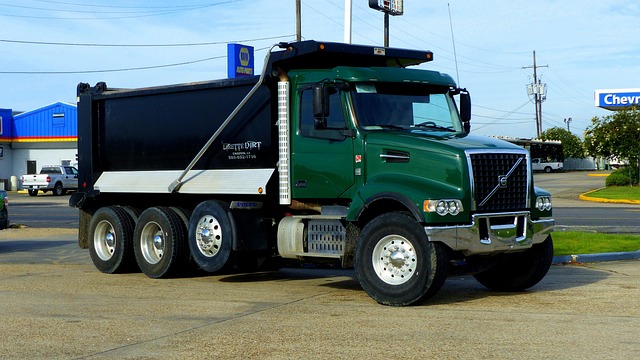
Renovators play a crucial role in shaping urban landscapes, particularly in historic districts like the Queens Historic District Renovation Cleanup. However, their work often generates significant waste, necessitating efficient disposal systems that balance environmental responsibility with project demands. Sustainable disposal practices not only mitigate ecological impact but also enhance the overall sustainability of renovation projects.
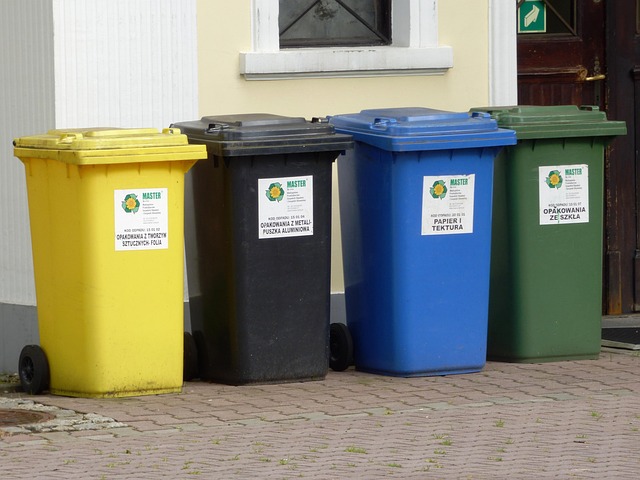
One of the most effective strategies is responsible dumpster utilization. In the context of Queens Historic District Renovation Cleanup Dumpsters, renovators should prioritize eco-friendly models designed for reduced environmental footprint. For instance, opt for dumpsters with compact, lightweight materials that minimize fuel consumption during transport. Additionally, choose containers equipped with secure lids to prevent litter and unauthorized access, ensuring waste remains contained and properly managed.
Data from industry reports indicates that proper dumpster management can reduce construction site waste by up to 30%. This translates into less environmental pollution and significant cost savings for renovators. To maximize sustainability, consider implementing a waste segregation system at the job site. Separate recyclables, compostables, and non-recyclables to enable efficient recycling and composting processes. For example, metal, plastic, and glass can be recycled while organic waste can be composted, reducing the amount sent to landfills.
Furthermore, explore alternative disposal methods like on-site crushing of concrete or brick or partnering with local recycling centers for specialized materials. These practices not only minimize transportation emissions but also contribute to a circular economy by maximizing resource recovery. By adopting these comprehensive sustainable disposal practices, renovators in the Queens Historic District can set an example for eco-friendly renovation across the region.
The article offers a comprehensive roadmap for efficient disposal systems, particularly tailored to the unique challenges of Queens Historic District Renovation Cleanup Dumpsters. Key insights include the strategic placement of dumpsters to minimize disruption during historic renovations, navigating legal permits to ensure compliance, and adopting sustainable disposal practices that benefit both the environment and project budgets. By integrating these principles, renovators can streamline their cleanup processes, enhance site safety, and contribute to the preservation of Queens’ rich history while adhering to stringent regulatory frameworks. This authoritative guide equips professionals with the knowledge and tools necessary for successful and responsible renovation projects.