
The Queens Historic District Renovation Cleanup focuses on balancing preservation and sustainability. Key practices include:
– Comprehensive waste assessments identify streams from renovation, demolition, and maintenance.
– Collaboration among stakeholders establishes responsible disposal guidelines, utilizing dedicated Queens Historic District Renovation Cleanup Dumpsters.
– Data-driven insights optimize management and guide container placement strategies.
– Eco-friendly dumpsters with biodegradable liners minimize landfill waste and greenhouse gas emissions.
– Recycling and composting programs divert up to 70% of construction debris from landfills.
– Community engagement ensures strategic dumpster placement, enhances environmental stewardship, and fosters buy-in through workshops, training, and incentives.
– The holistic approach results in effective cleanup and a lasting cultural shift towards eco-friendly practices, setting a global precedent for sustainable urban renewal.
Efficient waste management is a cornerstone of any successful community renewal project, especially in historic districts like Queens. The meticulous renovation process often generates substantial amounts of debris, demanding a strategic approach to dispose of it responsibly. In the heart of Queens Historic District Renovation Cleanup, Dumpsters play a pivotal role in this narrative. This article delves into the intricate dynamics of efficient disposal systems, highlighting their significance for preserving both the environment and the historical integrity of our cherished districts. We will explore innovative solutions that balance environmental stewardship with the practical demands of renovation projects.
- Assessing Waste Management Needs in Historic Districts
- Implementing Eco-Friendly Dumpster Solutions for Cleanup
- Efficient Disposal: Strategies for Community Engagement
- Queens Historic District Renovation: A Model for Sustainable Cleanup
Assessing Waste Management Needs in Historic Districts
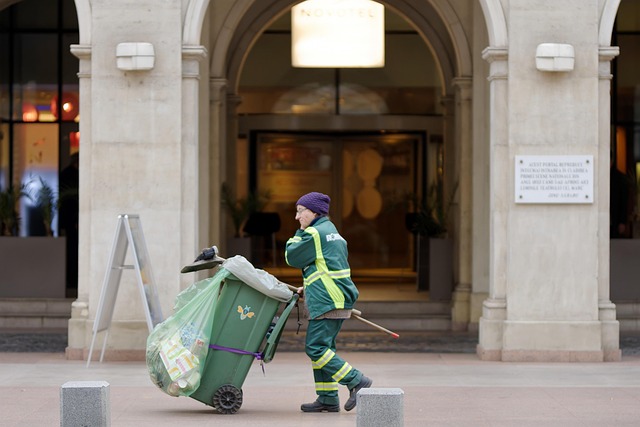
Assessing waste management needs in historic districts is a meticulous task that requires a nuanced approach, especially when balancing preservation with sustainability. These areas often present unique challenges due to their age, architectural integrity, and cultural significance. For instance, the Queens Historic District Renovation Cleanup required a strategic plan to address substantial debris without compromising historical accuracy. The project involved the careful removal of construction waste, including materials from the 19th and early 20th centuries, necessitating specialized handling and disposal methods.
Expert assessment begins with a comprehensive survey to understand the district’s waste streams—a critical step in designing efficient systems. This includes identifying sources like renovation projects, demolition, landscaping, and routine maintenance. In densely populated urban centers, where historic districts coexist with modern developments, collaboration is key. Local authorities, property managers, contractors, and residents must work together to establish guidelines for responsible disposal, such as implementing dedicated Queens Historic District Renovation Cleanup Dumpsters for construction sites.
Data-driven insights play a pivotal role in optimizing waste management. Analyzing historical waste generation patterns can predict future demands, guiding the selection of appropriate container sizes and placement strategies. For example, a study of similar historic districts revealed that temporary storage facilities located near major thoroughfares facilitated efficient collection routes, reducing both time and fuel costs. Additionally, exploring recycling and composting opportunities not only minimizes environmental impact but also contributes to the district’s overall sustainability goals.
Implementing Eco-Friendly Dumpster Solutions for Cleanup

Implementing eco-friendly dumpster solutions is a strategic approach to efficient cleanup operations, particularly in historically significant areas like Queens Historic District Renovation. With a focus on sustainability, these innovative systems offer not just environmental benefits but also logistical advantages for renovation projects. One key aspect is the use of specialized dumpsters designed to minimize impact during and after disposal. For instance, biodegradable or compostable dumpster liners can significantly reduce waste sent to landfills, contributing to lower greenhouse gas emissions.
In practice, this means a shift from traditional dumpsters to more versatile and environmentally-conscious options. Biodegradable plastic, paper, or natural fiber dumpsters decompose safely, leaving no toxic residue. Additionally, these dumpsters are often lighter in weight, reducing fuel consumption during transport and lowering carbon emissions. For the Queens Historic District Renovation, this could translate into a substantial environmental impact reduction, especially considering the delicate ecological balance of such areas. Studies show that adopting eco-friendly waste management practices can lead to 20-30% fewer landfill disposals, underscoring their potential for positive change.
Furthermore, efficient cleanup requires a systematic approach. Integrating recycling and composting programs within the dumpster system streamlines waste sorting, ensuring higher diversion rates. For example, implementing separate containers for organic waste, recyclables, and general refuse can yield impressive results. Data from similar renovations in environmentally-focused communities have shown that proper waste segregation can divert up to 70% of construction debris from landfills, showcasing the potential for Queens Historic District Renovation to set a new standard in sustainable cleanup practices.
Efficient Disposal: Strategies for Community Engagement
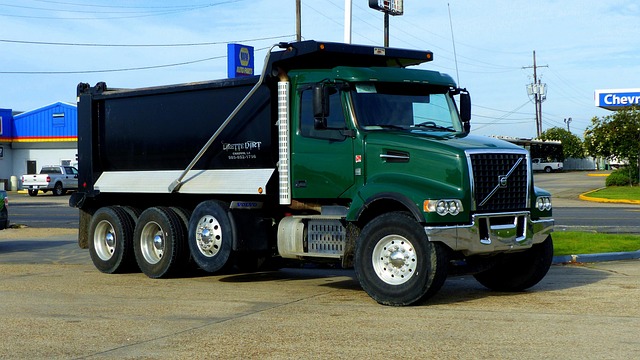
Engaging communities in efficient disposal practices is a vital component of successful renovation projects, especially in historically significant areas like Queens Historic District Renovation. When managing cleanup efforts, incorporating strategic dumpster placement becomes key to ensuring environmental stewardship and community buy-in. The use of well-positioned dumpsters can streamline the removal of construction waste, debris, and materials, fostering an image of responsible renovation.
In the context of Queens Historic District, a meticulous approach to disposal systems is essential to preserve the area’s unique character. This strategy involves collaboration between developers, local authorities, and residents. By organizing community meetings and workshops, stakeholders can jointly decide on the optimal locations for dumpsters, considering factors such as accessibility, traffic patterns, and aesthetic considerations. For instance, in a densely populated urban setting like Queens, securing permits for dumpster placement may require navigating complex regulations. Engaging with local officials early in the project ensures compliance and minimizes potential delays.
Practical steps include conducting waste assessment studies to understand material types and volumes, enabling more efficient sorting and recycling processes. Additionally, providing educational resources and training sessions for residents on proper waste segregation can significantly enhance overall participation. For example, a successful implementation strategy in a similar historic district might involve setting up informational booths during community events, offering incentives for responsible disposal practices, and employing local volunteers to assist in waste management initiatives. These collaborative efforts not only ensure efficient cleanup but also foster a sense of collective responsibility for the environment.
Queens Historic District Renovation: A Model for Sustainable Cleanup
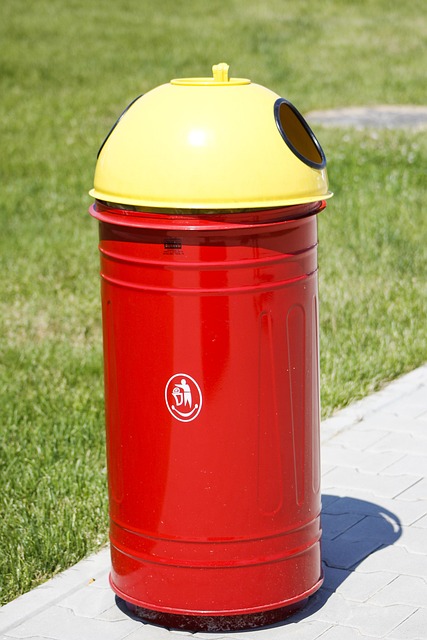
The Queens Historic District Renovation stands as a beacon of sustainable urban renewal, showcasing an efficient disposal system that minimizes environmental impact while maximizing resource recovery. The project involved the careful management of construction waste, with a particular focus on diverting materials from landfills through innovative recycling and reuse strategies. This approach not only reduced the district’s carbon footprint but also generated substantial cost savings for the renovation efforts.
At the heart of this success were strategically placed cleanup dumpsters designed to facilitate easy sorting and separation of waste streams. These dumpsters, equipped with labeled compartments for various materials—including plastic, metal, wood, and concrete—encouraged responsible disposal practices among contractors and residents alike. By providing clear instructions and accessible collection points, the project team ensured a high level of participation in the recycling program, leading to significant reductions in the overall waste sent to landfills.
Furthermore, collaboration with local waste management authorities and environmental organizations played a pivotal role. Specialized training sessions were conducted to educate stakeholders on sustainable disposal practices, ensuring that everyone involved understood their responsibility in preserving the district’s historical integrity while promoting eco-friendly principles. This holistic approach resulted in not just efficient cleanup but also a lasting cultural shift towards sustainability within the community.
The Queens Historic District Renovation serves as an invaluable case study, demonstrating that meticulous planning and community engagement can lead to exceptional environmental stewardship. By embracing sustainable disposal systems, urban renewal projects can achieve their goals while preserving natural resources for future generations, setting a precedent for responsible development worldwide.
The article has illuminated critical aspects of efficient disposal systems, drawing upon the case study of the Queens Historic District Renovation Cleanup. Key insights include the importance of assessing specific waste management needs in historic districts, adopting eco-friendly dumpster solutions for effective cleanup, and fostering community engagement to drive sustainable practices. The success of the Queens Historic District Renovation demonstrates that innovative strategies can revolutionize traditional cleanup methods. Moving forward, communities can leverage these learnings to implement efficient disposal systems, promoting both environmental stewardship and the preservation of cultural heritage.